From Concept to Creation
Callum Gray | Engineering Portfolio
Showing engineering in action!!

Formula Society of Automotive engineers (FSAE)
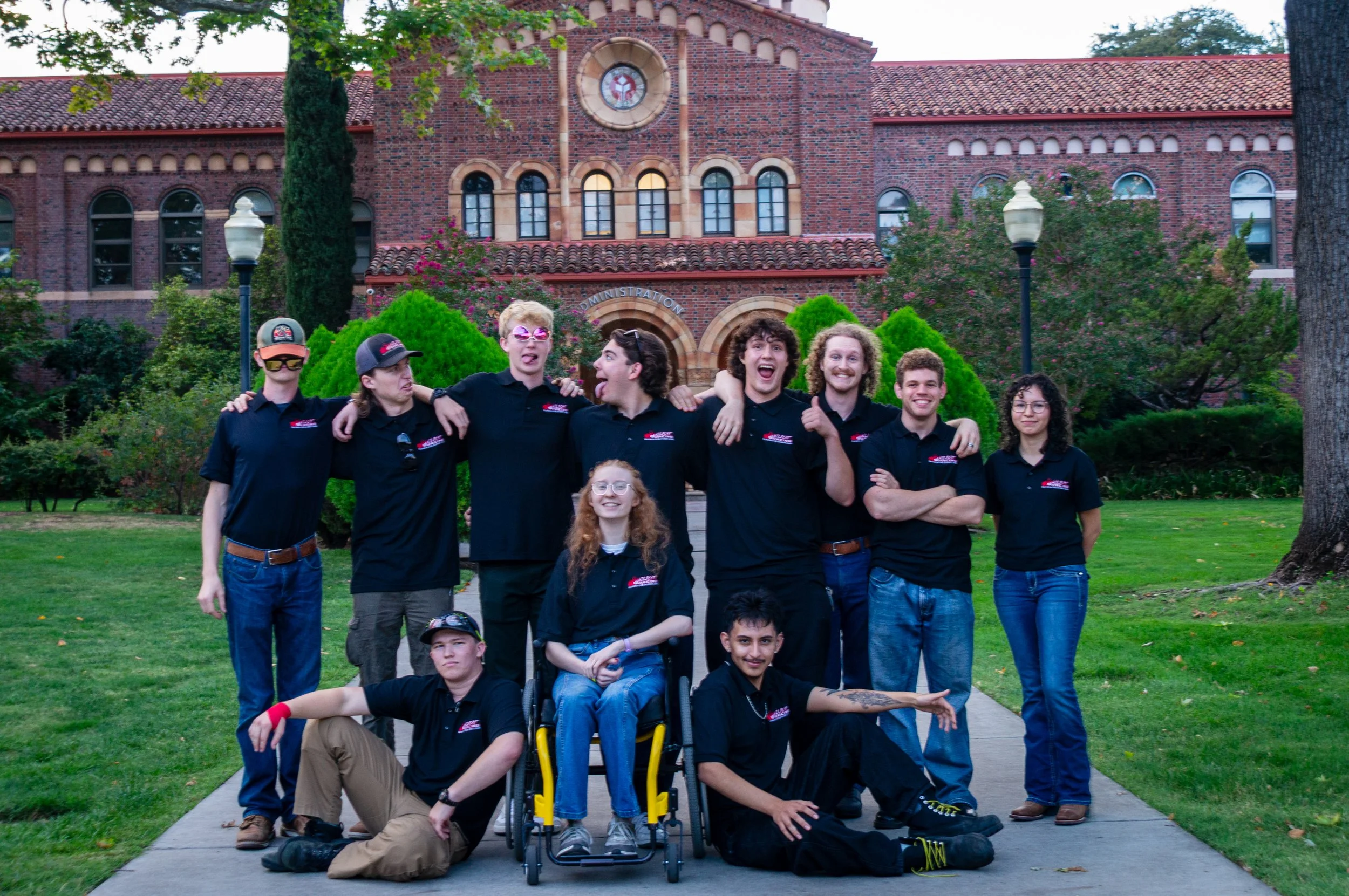
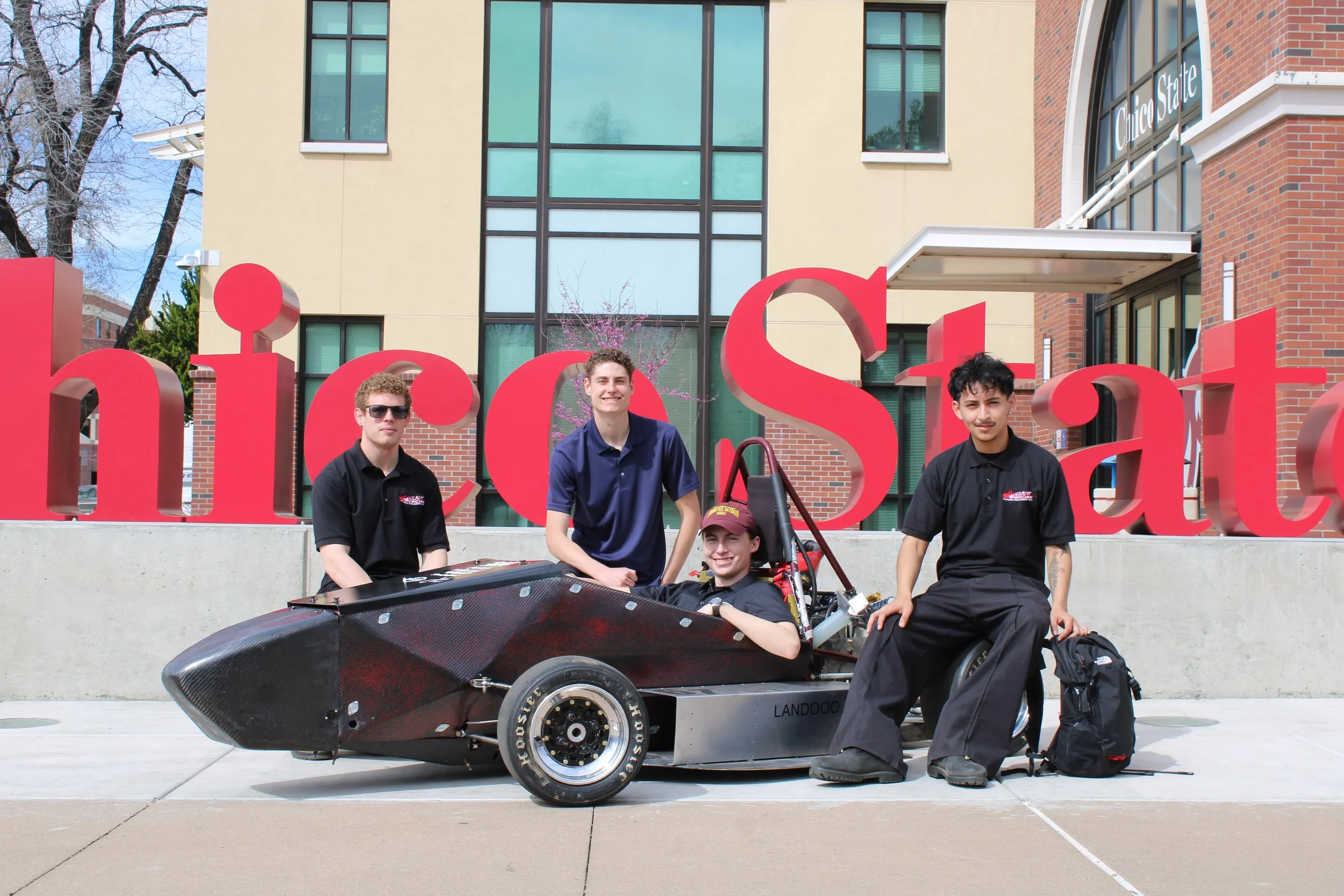
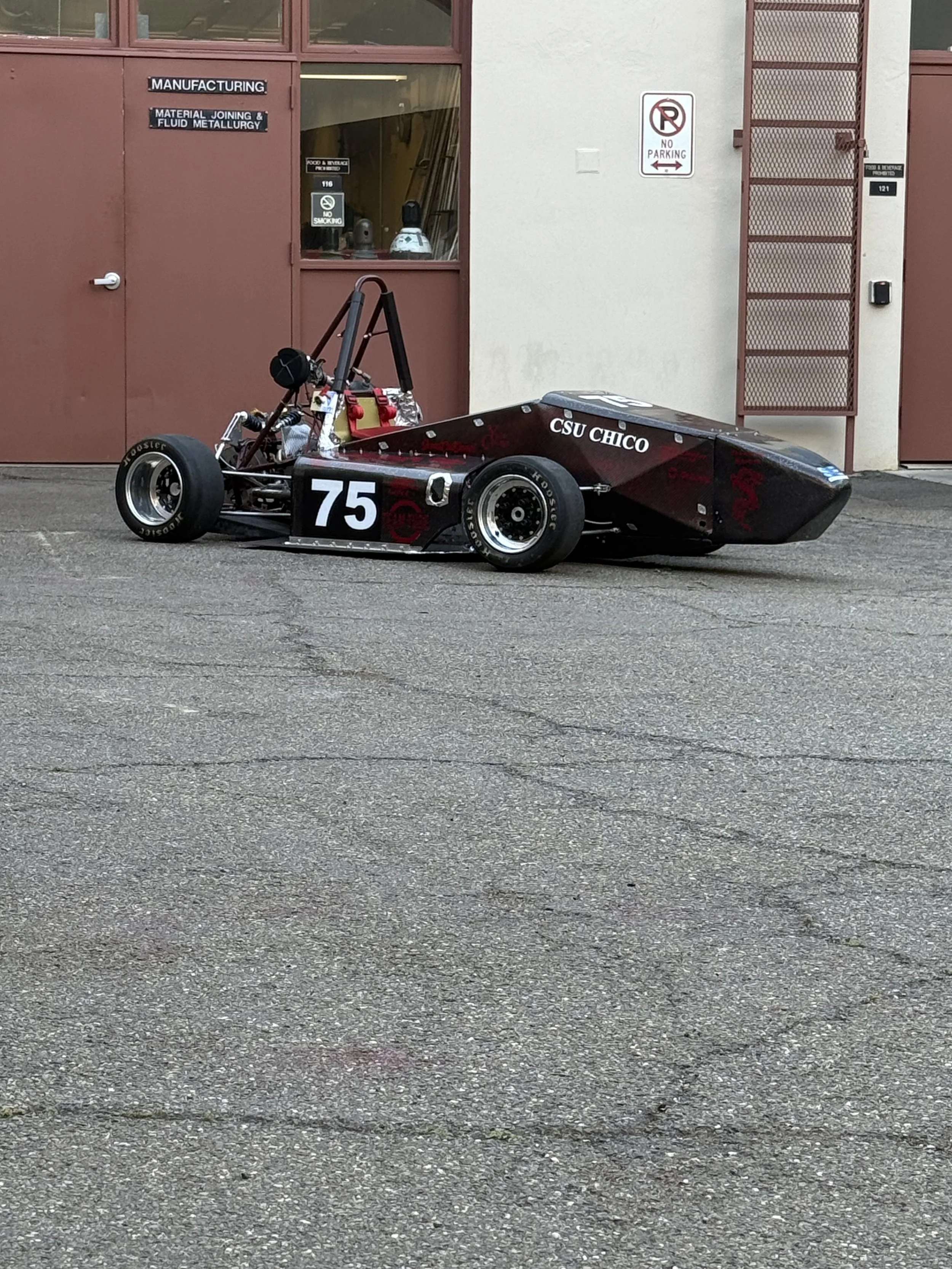
For the past two years, I have been an active member of the California State University, Chico Formula SAE team, an experience that has significantly shaped my growth as a mechanical engineer. Formula SAE (FSAE) is an international collegiate engineering competition organized by SAE International in which university teams design, manufacture, test, and compete with a formula-style race car. The competition challenges students to apply real-world engineering principles while balancing performance, reliability, manufacturability, cost, and technical documentation. As I enter my junior year, I continue to serve as the Powertrain Lead, applying the knowledge and experience I have gained to help advance the performance and competitiveness of our race car while collaborating with a multidisciplinary team to develop innovative engineering solutions.
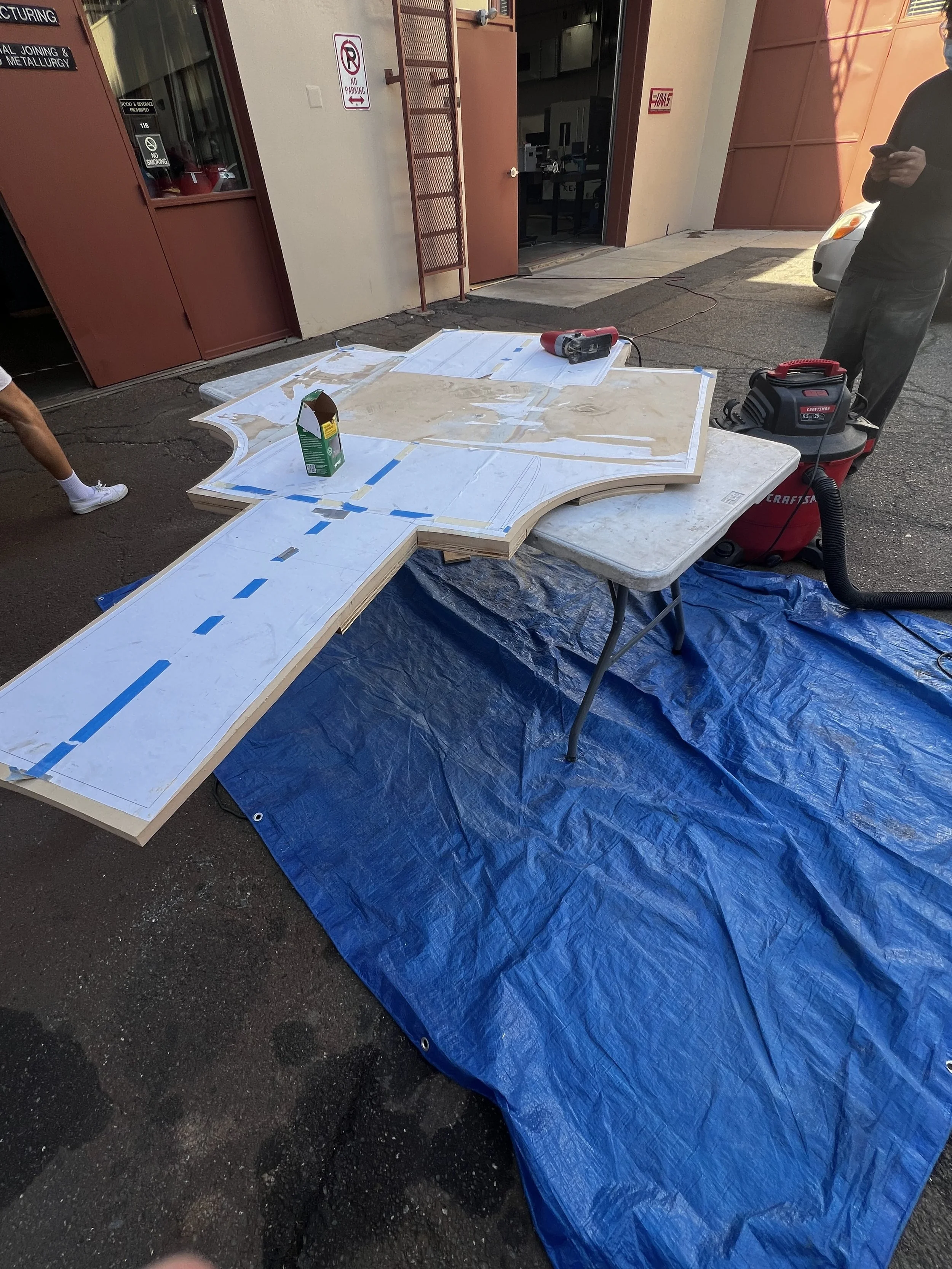
I began my Formula SAE journey during my freshman year as a member of the Aerodynamics Subteam. In this role, I was responsible for the design, testing, validation, and manufacturing of the team's carbon fiber floor. This project introduced me to the complete engineering design process—from developing CAD models and validating designs to manufacturing composite components and integrating them into a functioning race car. Working on the aerodynamics package gave me valuable experience in engineering analysis, teamwork, and hands-on fabrication while exposing me to the fast-paced environment of collegiate motorsports.
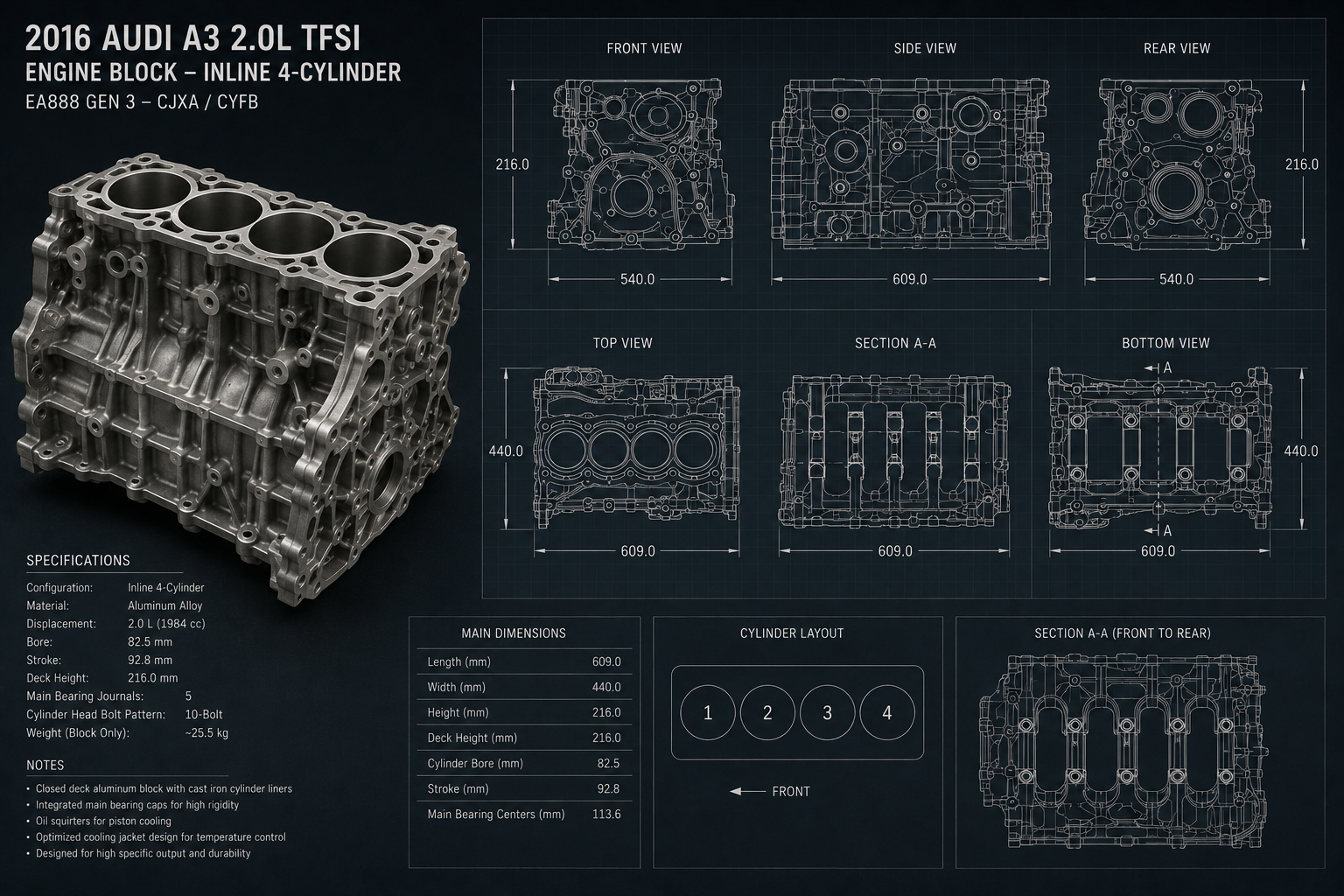
During my sophomore year, I was promoted to Powertrain Lead after demonstrating both my technical knowledge and my vision for the future of the team's powertrain development. In this leadership role, I have been responsible for overseeing the design and development of new engine components while guiding the direction of our powertrain program. My work has focused on creating innovative, high-performance solutions through CAD design, additive manufacturing, structural analysis, testing, and validation. These projects have included redesigning the intake plenum, developing new exhaust and muffler systems, improving drivetrain components, and exploring advanced manufacturing methods that continue to push the capabilities of our Formula SAE team.
Serving as Powertrain Lead has allowed me to develop not only my engineering and technical abilities but also my leadership, communication, and project management skills. Collaborating with teammates across multiple disciplines has reinforced the importance of communication through the Subteams ensuring all components will have the proper space they need.
The following sections of this portfolio highlight the projects I have designed, tested, validated, and manufactured throughout my time on the Formula SAE team. Each project demonstrates my engineering approach to solving real-world problems, from concept development and computer-aided design to simulation, manufacturing, and on-vehicle testing. Together, these experiences illustrate my passion for motorsports engineering and my commitment to continuous innovation through practical, data-driven design.
2025 Designs/Concepts
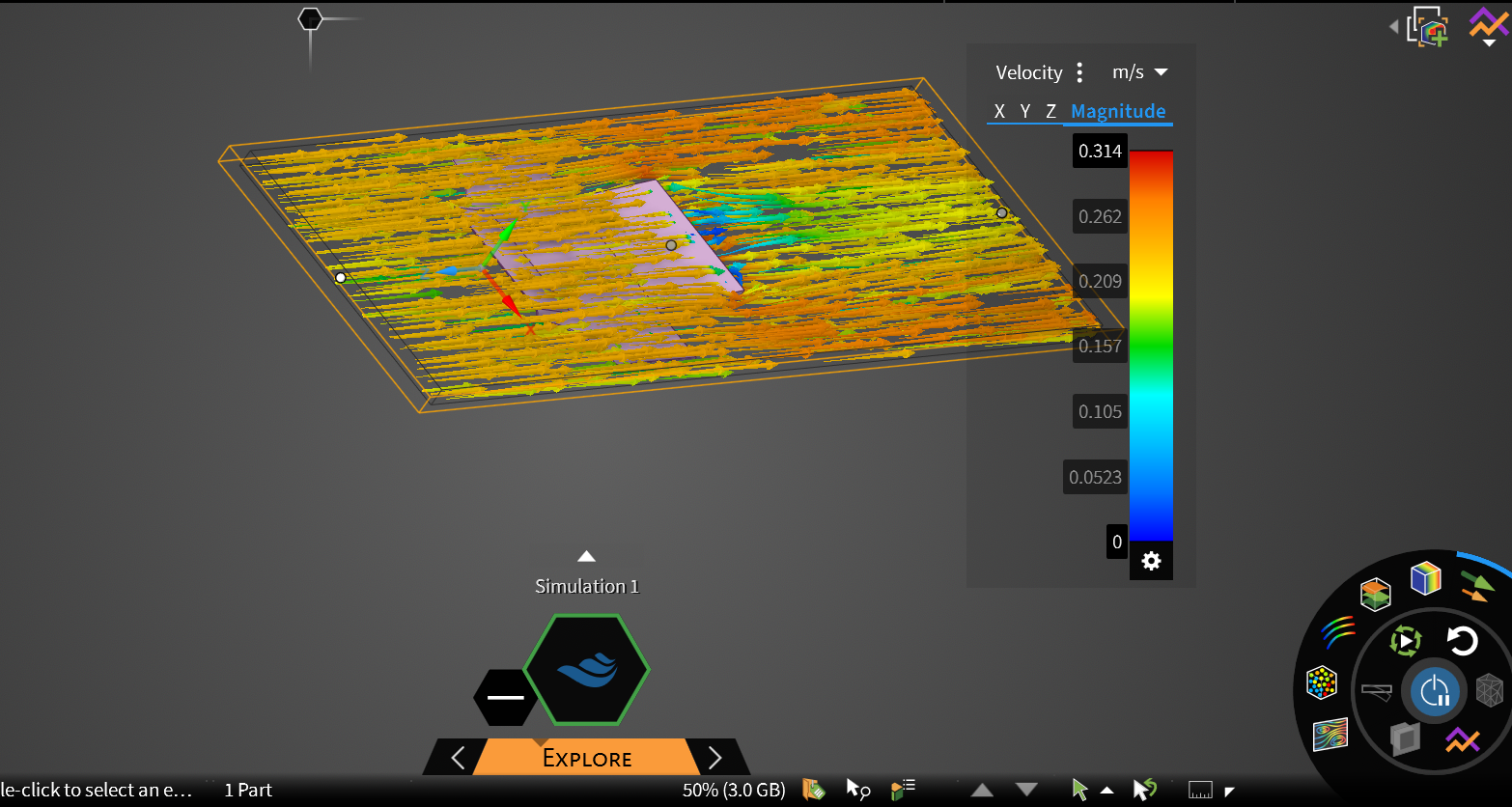
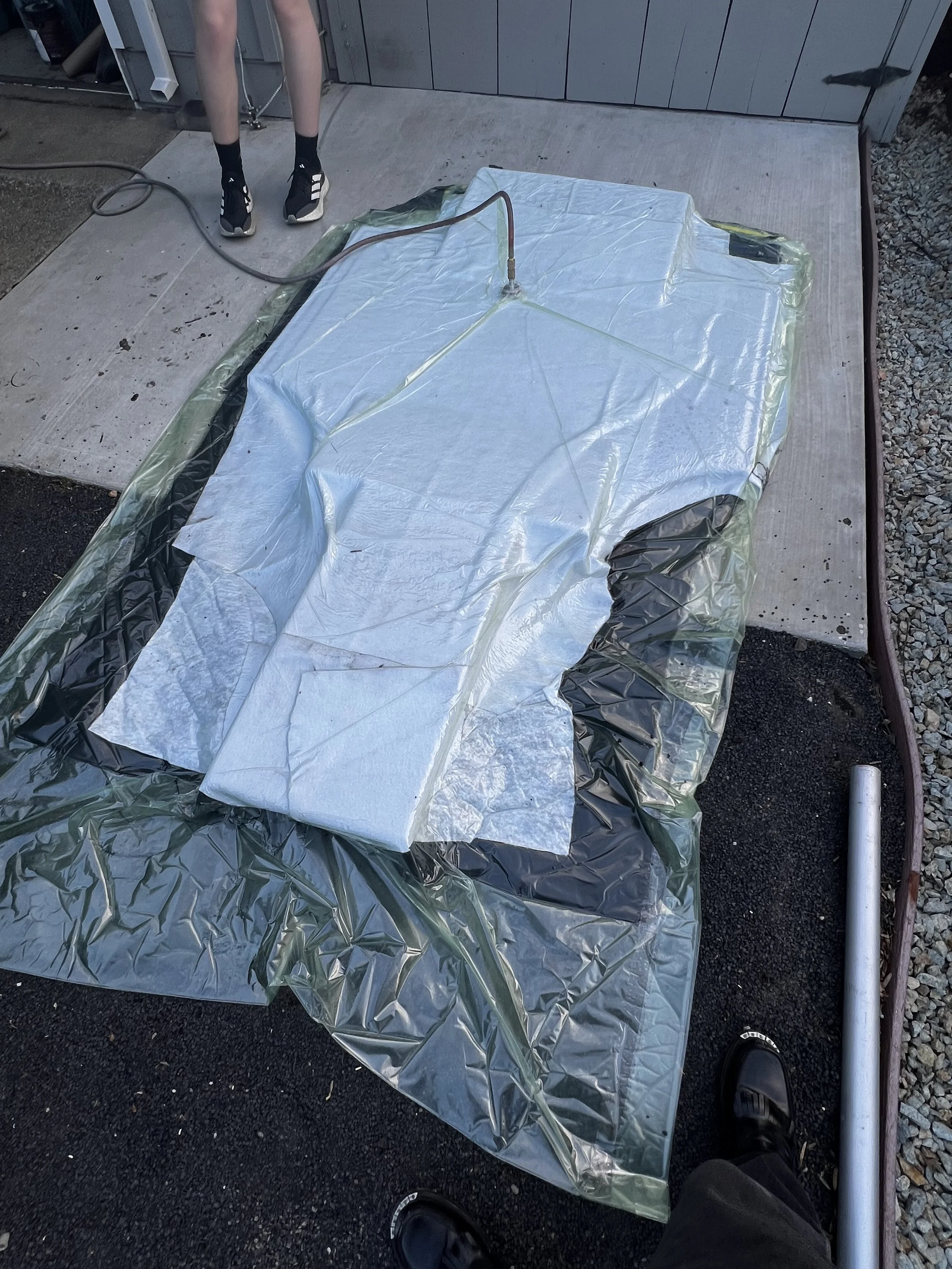
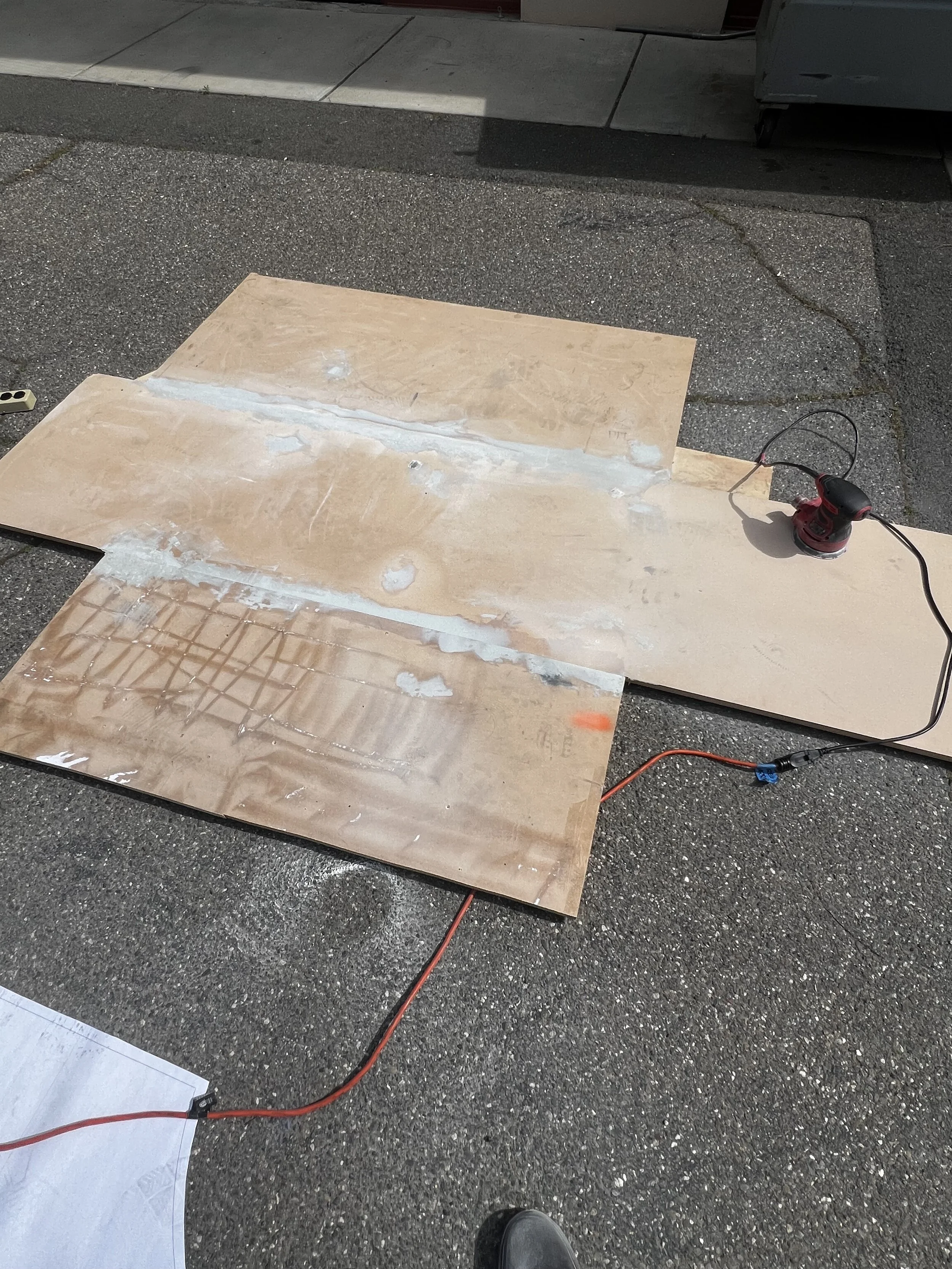
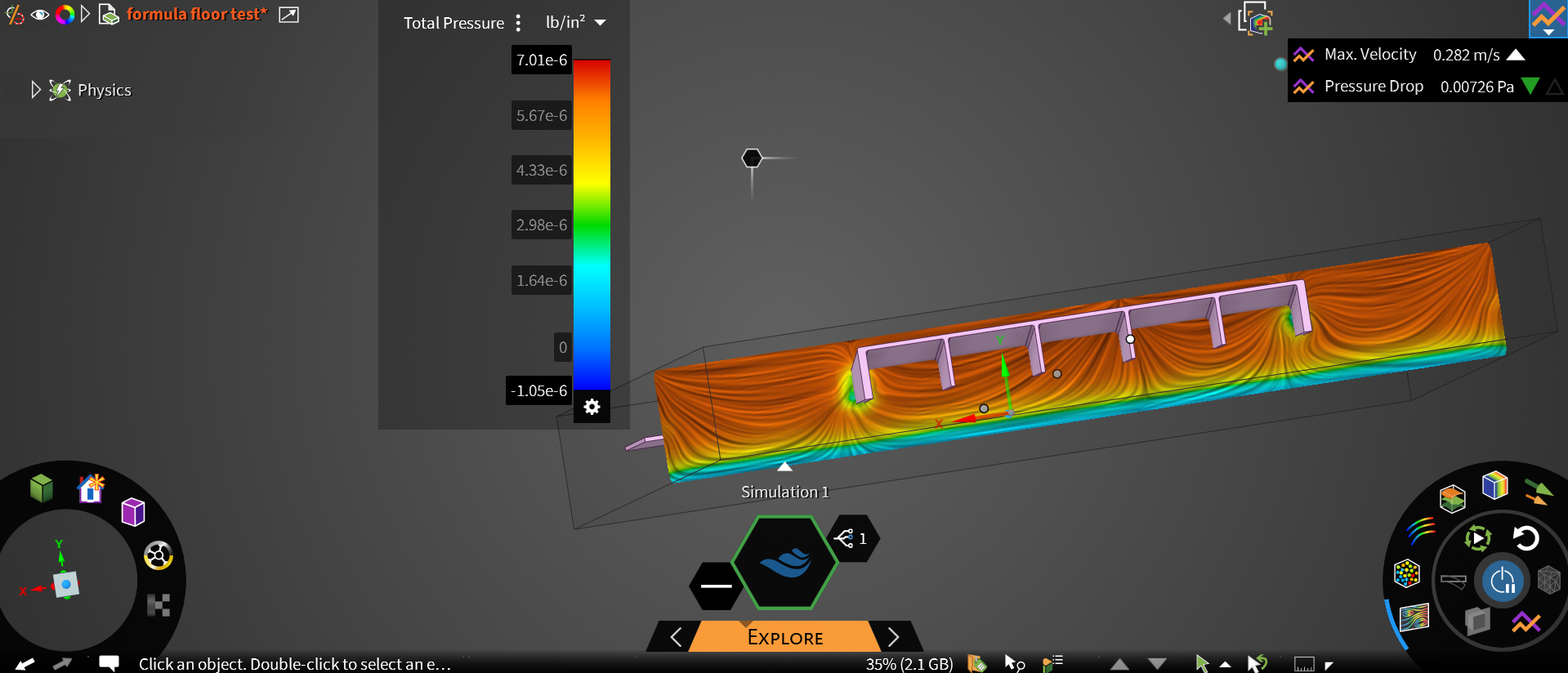
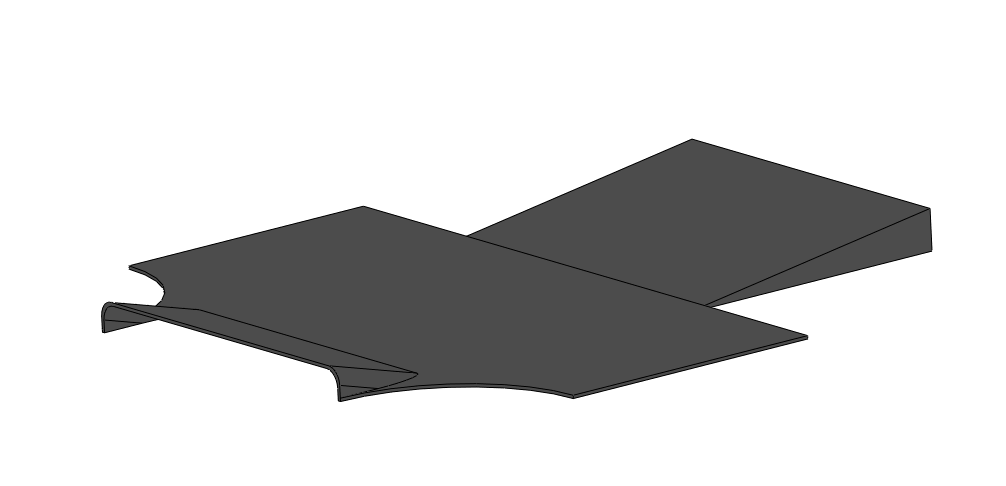
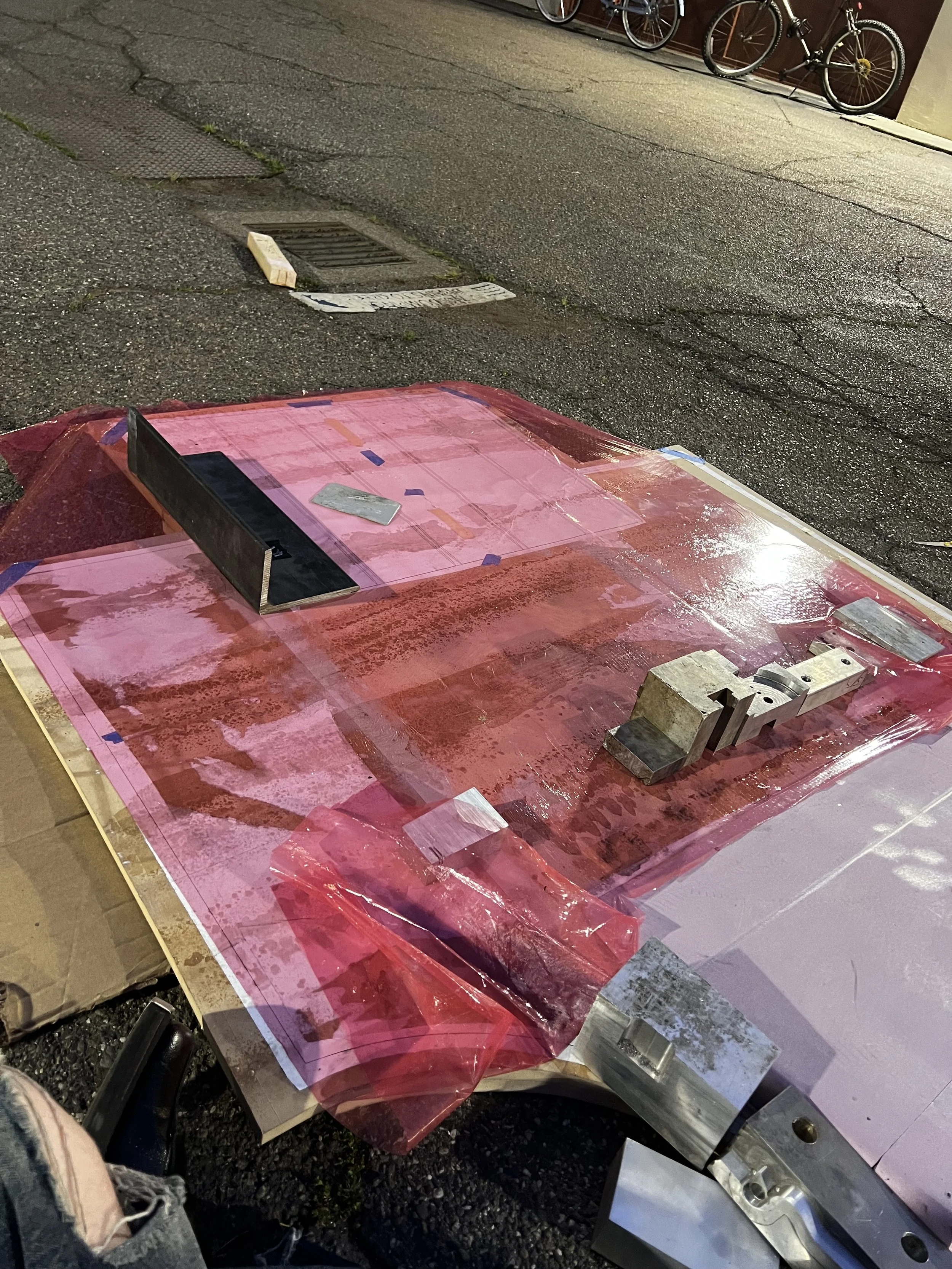
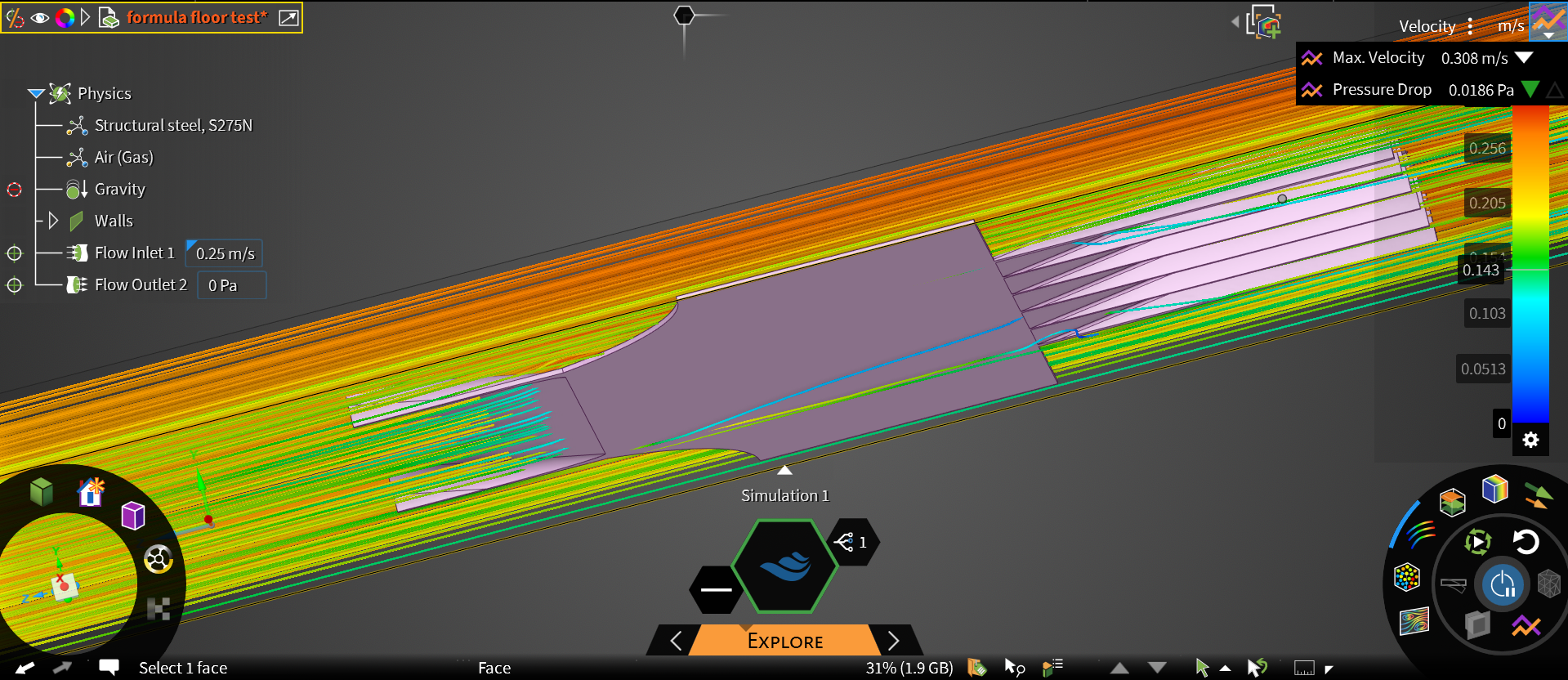
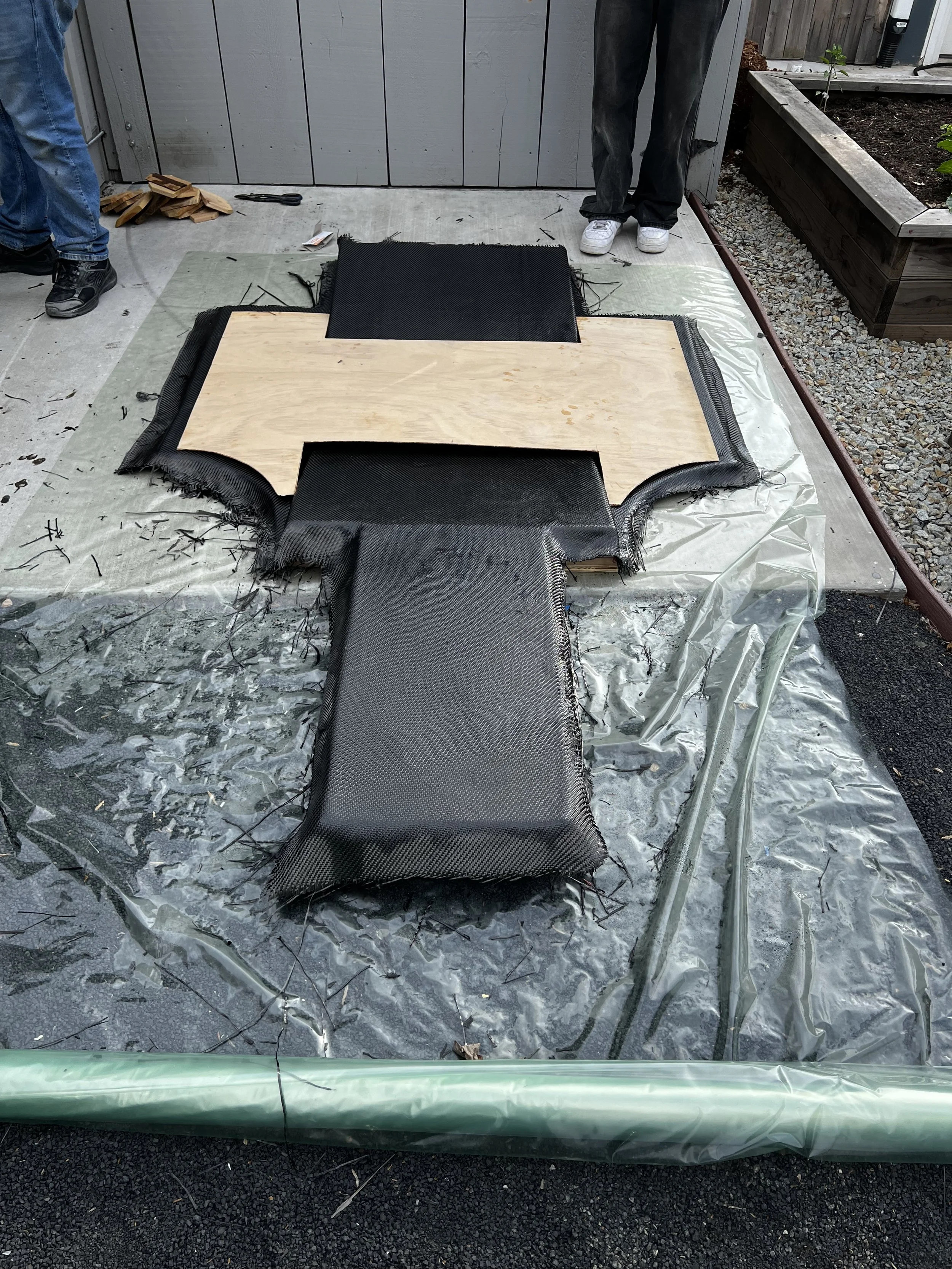
My first year studying to be an engineer began with hands-on design work as part of the Formula SAE team at Chico State, where I contributed to the development of a carbon fiber floor for the race car. This project provided my first opportunity to apply engineering theory to a real-world, high-performance application.
I was responsible for designing the floor structure using CAD software (SolidWorks) while considering weight reduction, structural rigidity, manufacturability, and integration with the vehicle chassis. Throughout the design process, I collaborated closely with teammates to ensure the component met Formula SAE regulations and aligned with the overall vehicle design. Our goal was to use carbon fiber for the major benefits in rigidity and light weight.
Working on this component strengthened my understanding of engineering design principles, advanced manufacturing techniques, and composite materials and gave me a chance to start learning advanced simulation software (ANSYS). It also reinforced the importance of teamwork, communication, and designing with both performance and manufacturability in mind.
This experience marked an important milestone in my development as an engineer and sparked my passion for designing new light weight and rigid components that challenged the boundaries of what’s possible.
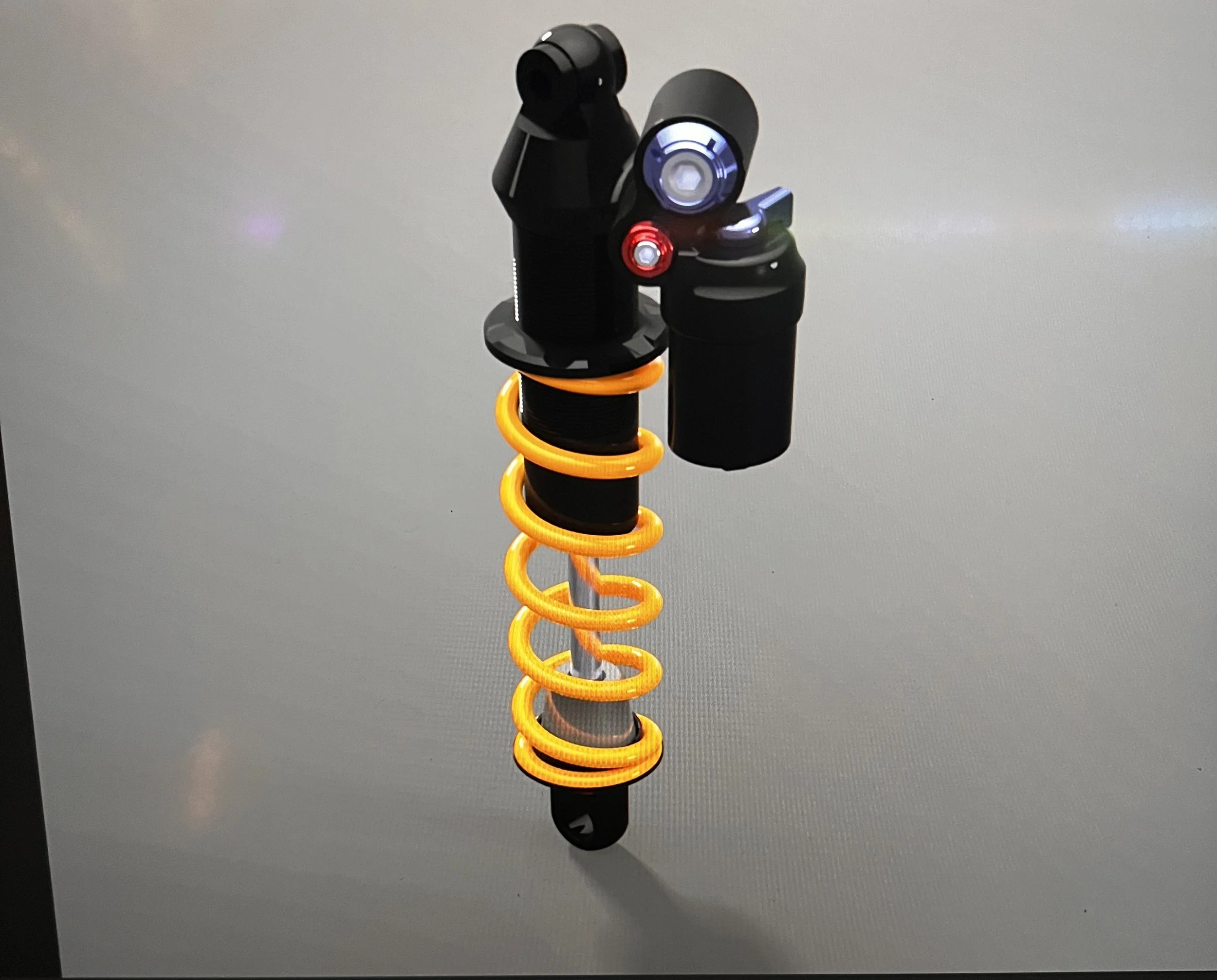
For my final project in Mechanical Design II, I reverse engineered a mechanical assembly by carefully measuring and modeling each individual component before recreating the complete system in CAD. The project required developing an accurate digital representation of the object, assembling all components with the proper constraints, and demonstrating the mechanism's motion to replicate its real-world operation. The final stage involved producing high-quality rendered images of the completed assembly to showcase the finished design.
This project strengthened my understanding of the complete engineering design process, from analyzing an existing product to creating a fully functional digital model. It improved my CAD modeling skills, taught me the importance of dimensional accuracy and assembly relationships, and reinforced how individual parts interact to create a functioning mechanism. Creating the motion study also deepened my understanding of kinematics and mechanical constraints, while the final renderings enhanced my ability to communicate technical designs in a professional and visually compelling manner.
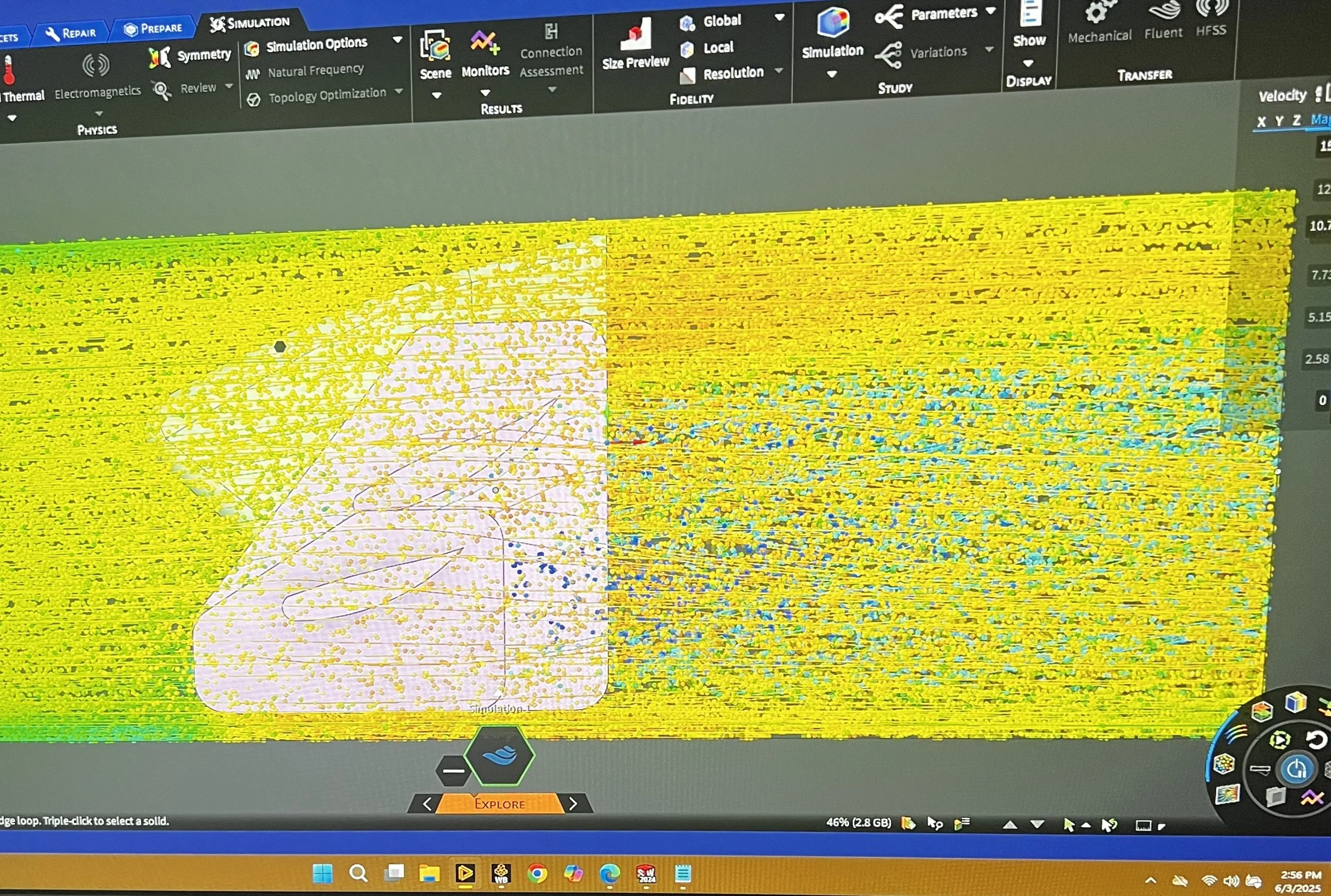
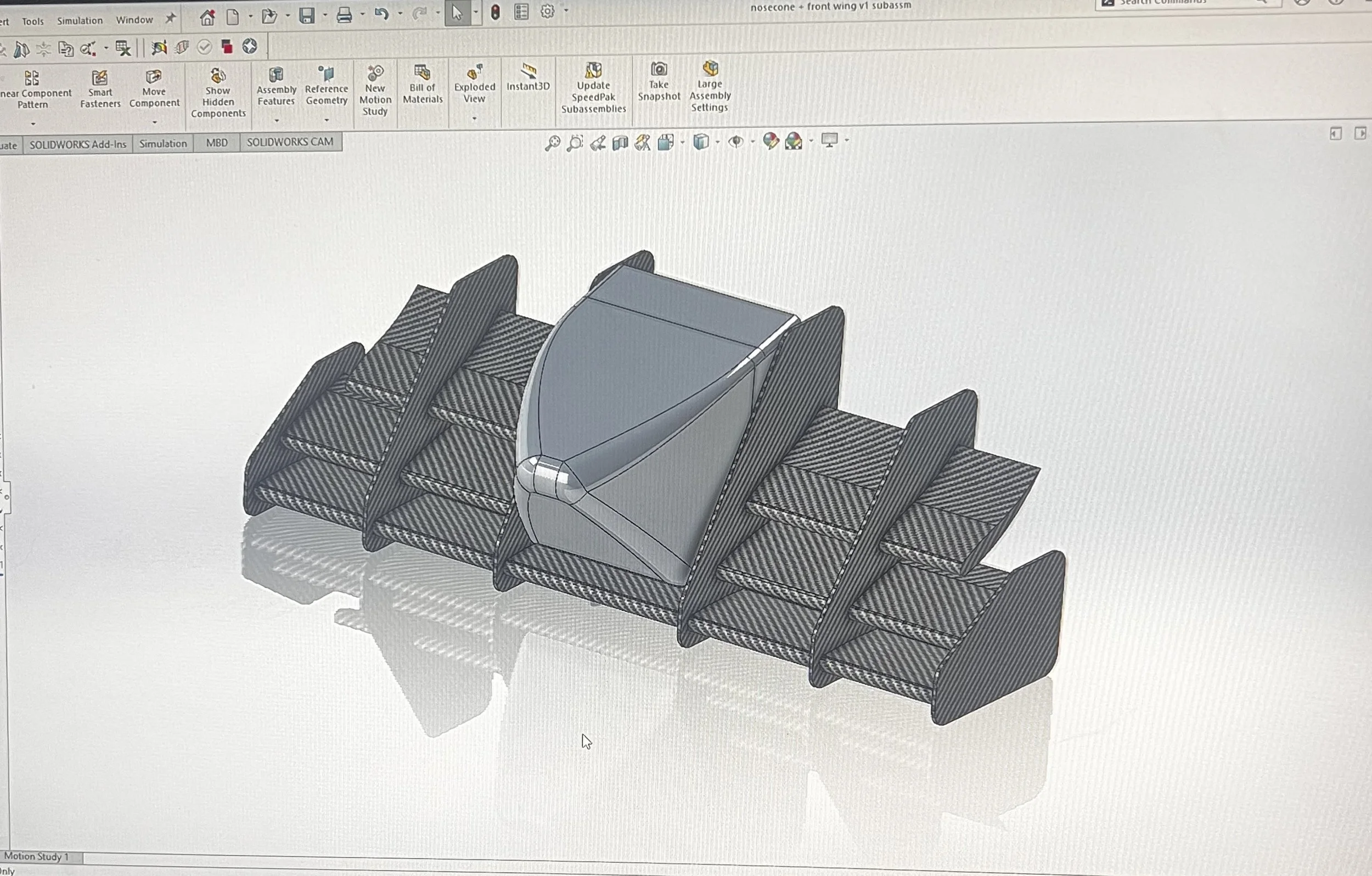
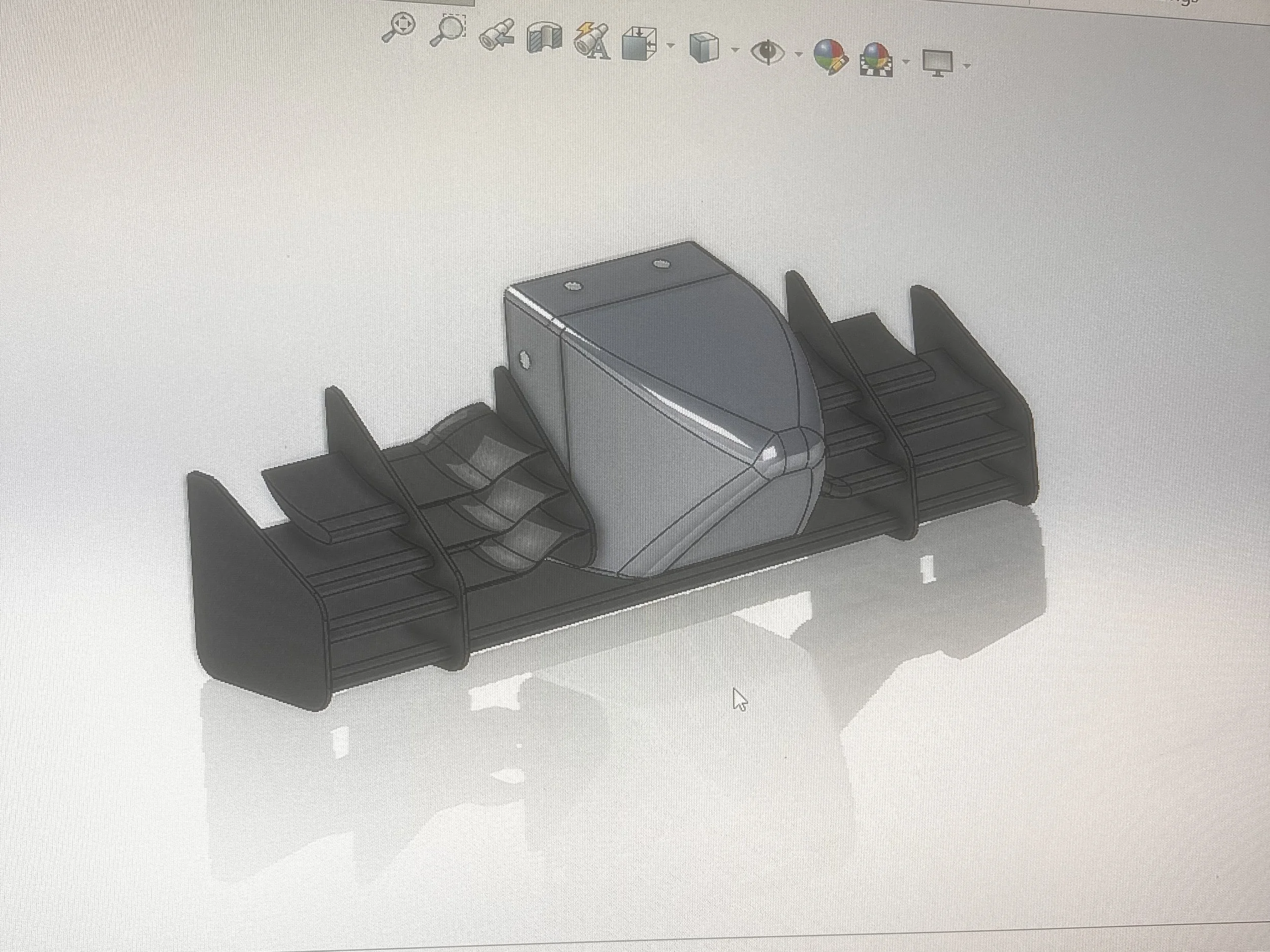
As part of the Formula SAE team at Chico State, I developed multiple front wing design concepts with the objective of creating an aerodynamic package that balanced performance, manufacturability, and cost. Throughout the design process, I evaluated different wing geometries and mounting concepts while ensuring the designs complied with Formula SAE regulations and packaging constraints.
The primary design goals were to maximize front-end downforce, maintain sufficient structural rigidity under aerodynamic loading, and minimize manufacturing costs. Material selection, component simplicity, and ease of fabrication were carefully considered to produce a design that could realistically be manufactured within the team's budget and available resources.
This project strengthened my understanding of aerodynamic design principles and the importance of balancing competing engineering requirements. I gained valuable experience using CAD to develop and refine concepts while designing with performance, structural integrity, cost, and competition regulations in mind. It also reinforced the iterative nature of engineering, where multiple design revisions and trade-off analyses are necessary to arrive at an effective solution.
As a team we decided that we would go a different route with our front wing design to further simplify our design and make the manufacturing process more manageable and lower the cost of having to do complicated geometry.
2026
concepts/designs/projects
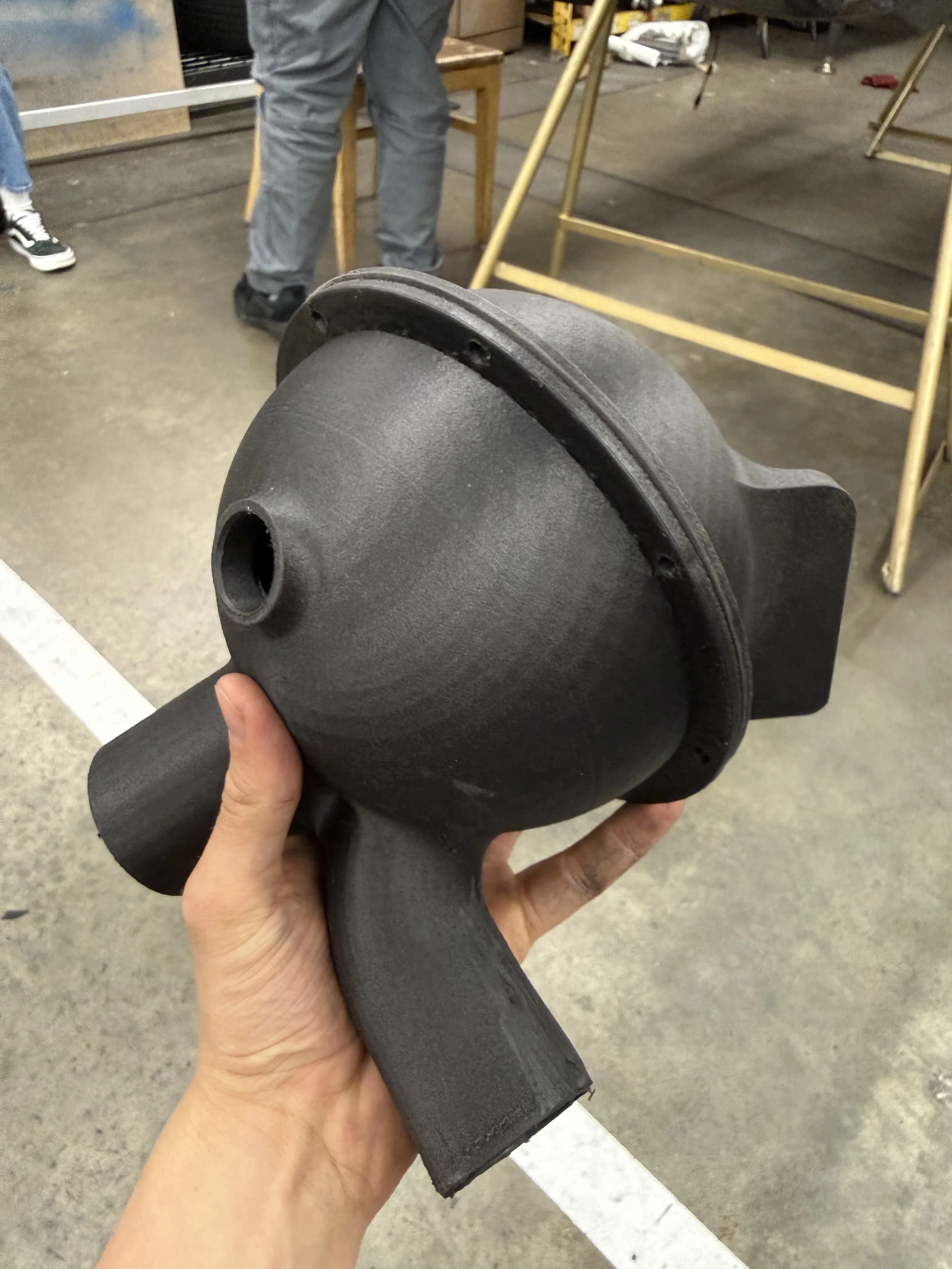
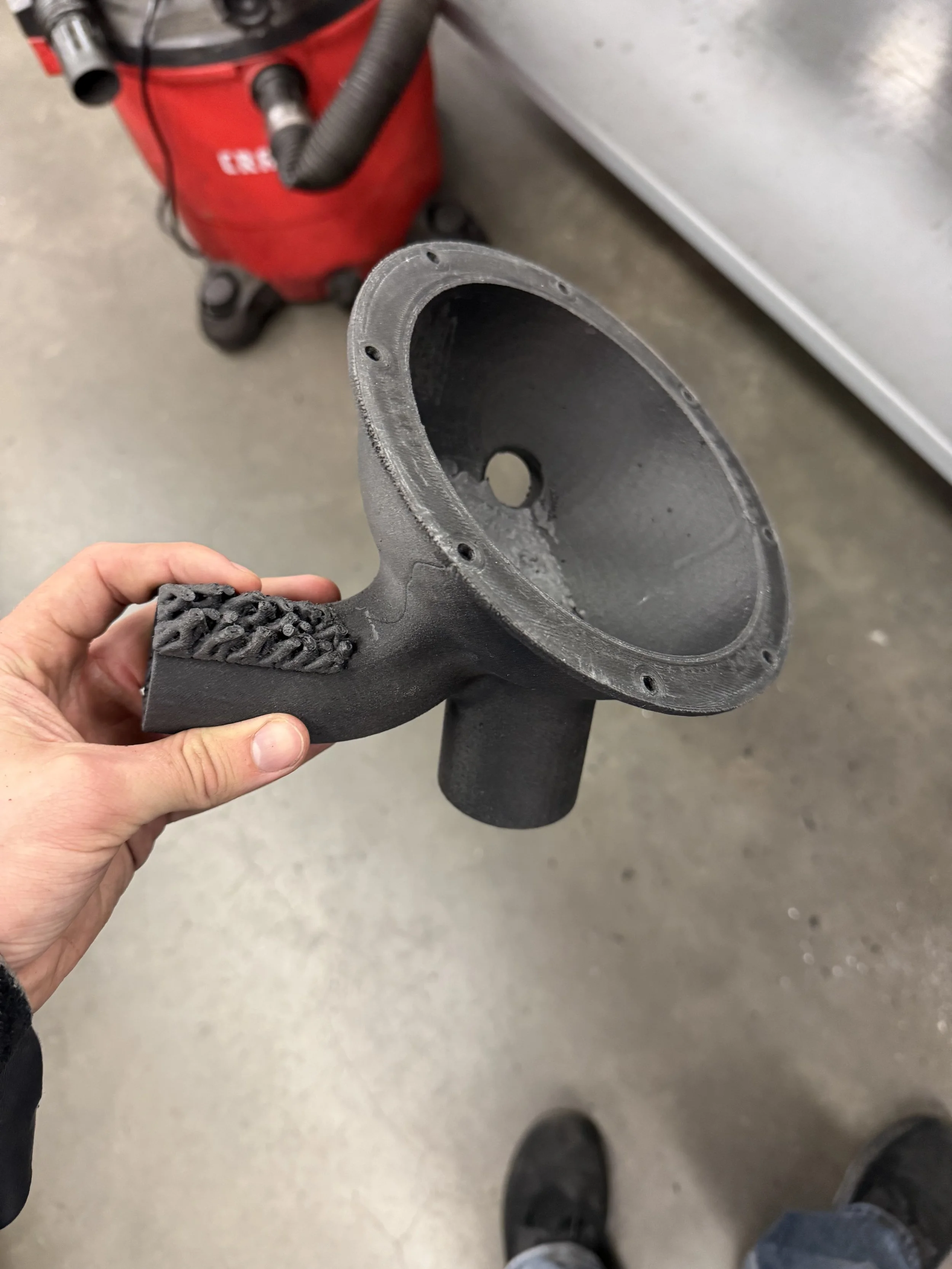
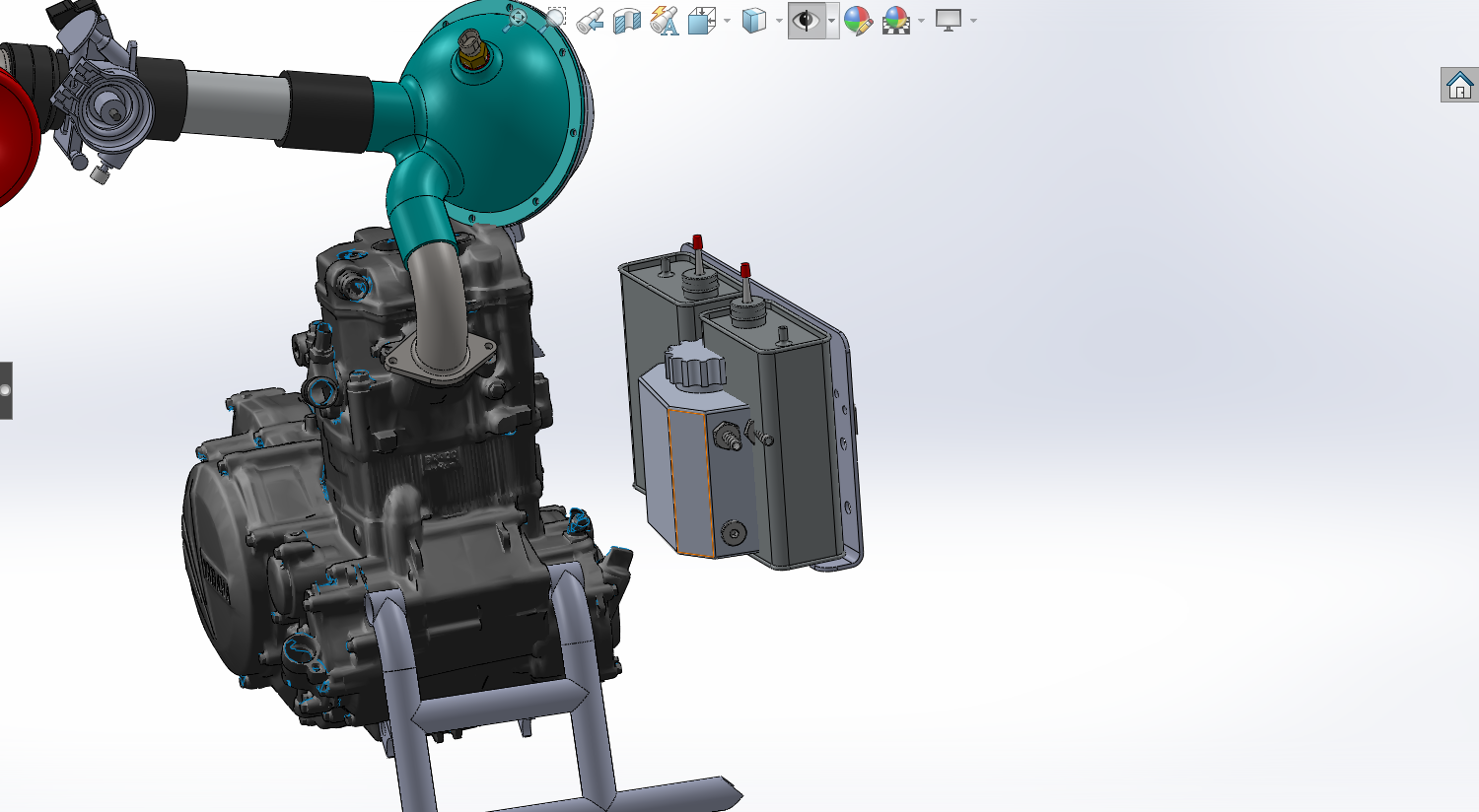
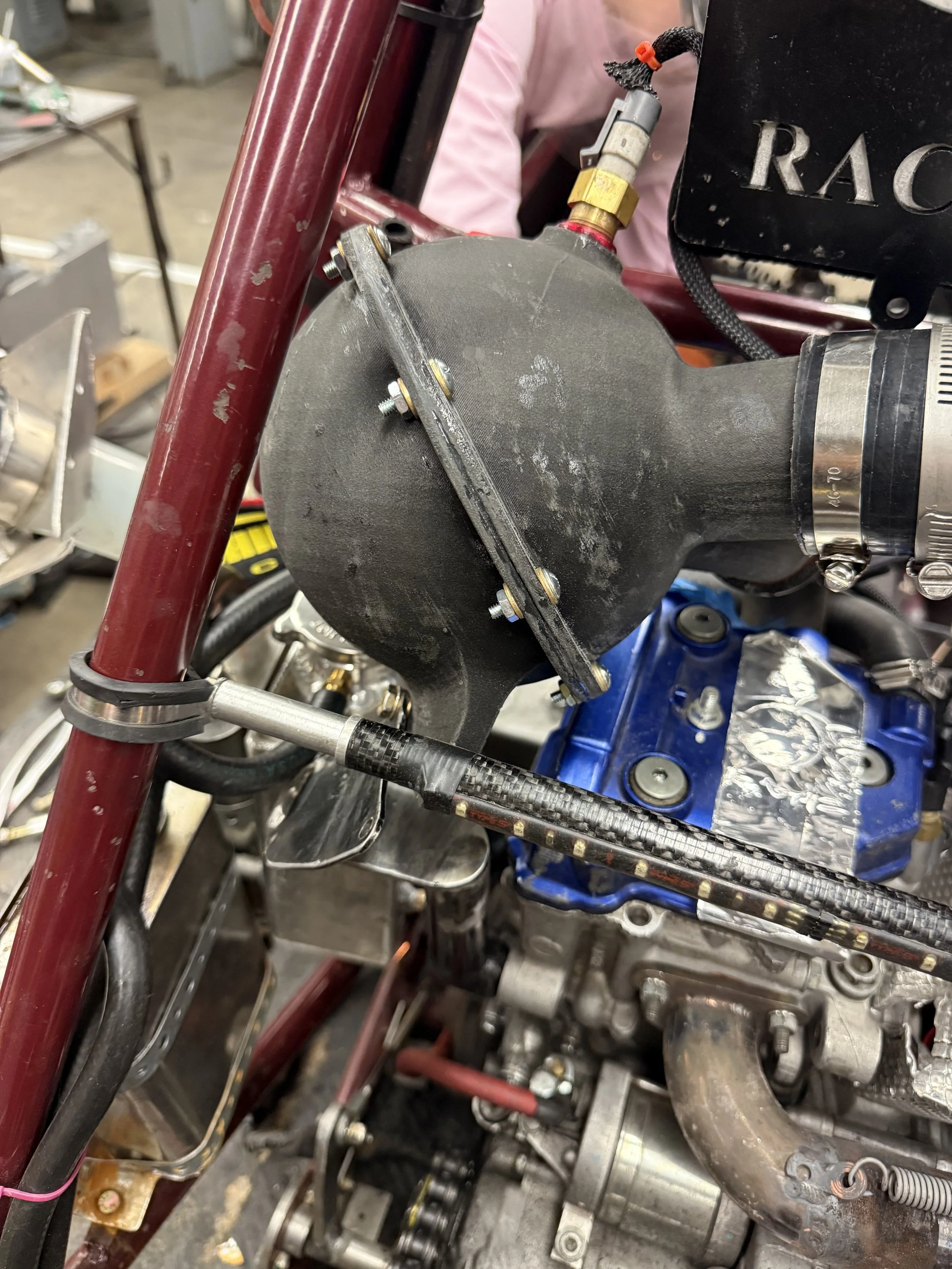
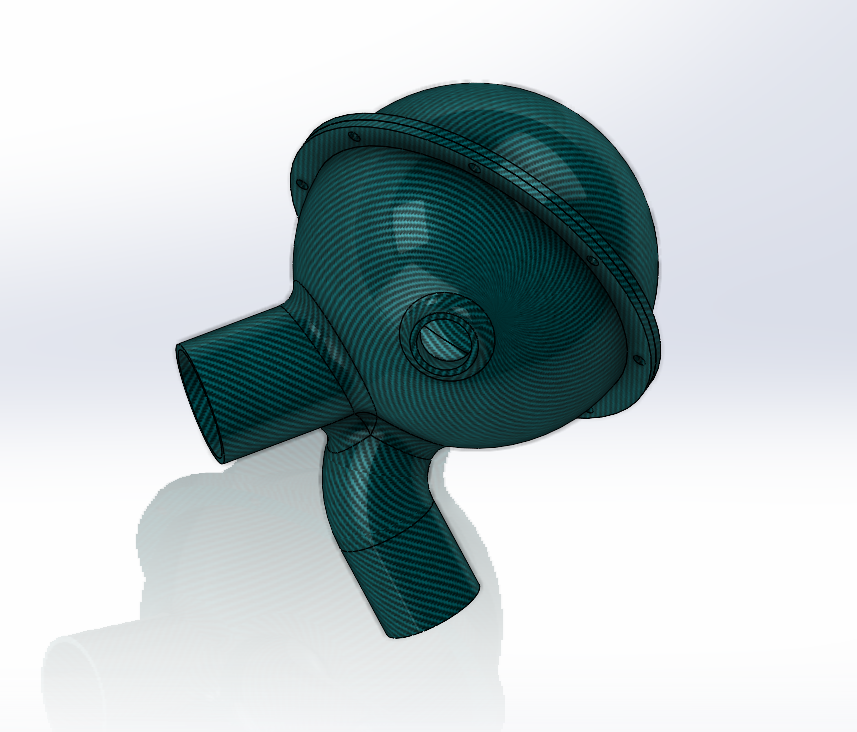
Throughout 2026, I have served as the Powertrain Lead for the Chico State Formula SAE team, leading one of the most significant design projects, the complete redesign of our intake plenum.
Our previous plenum was fabricated from metal and was undersized for the airflow, limiting performance and leaving little room for future optimization. I designed a completely new plenum with increased internal volume and improved geometry taking full advantage of modern additive manufacturing techniques.
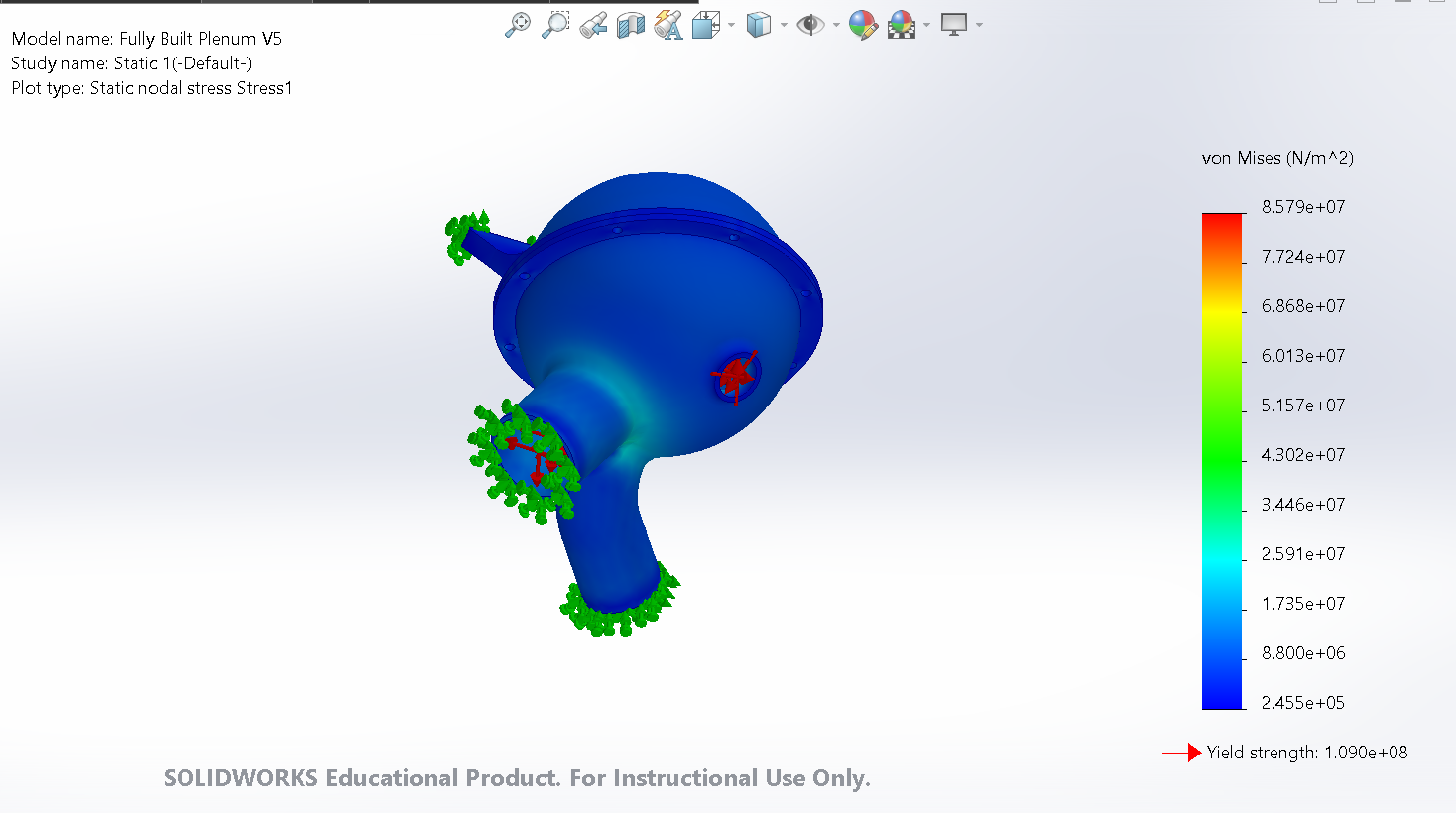
The new design was manufactured using PA6-CF20, a carbon fiber reinforced nylon filament that offers exceptional strength, rigidity, and heat resistance—making it an ideal material for an engine bay environment. Before manufacturing, I performed Finite Element Analysis (FEA) on the design to validate its structural integrity under expected operating loads and temperatures. The simulations confirmed that the plenum would withstand the stresses experienced during competition while remaining lightweight and significantly easier to manufacture than a traditional welded aluminum design.
This project represents an important step forward for our Formula SAE program. By integrating engineering analysis with advanced manufacturing, we demonstrated that complex powertrain components can be designed, validated, and produced entirely in-house. The success of the plenum has established a new design philosophy for the team, opening the door for additional 3D-printed components on future vehicles.
Leading this project strengthened my skills in CAD modeling, design for additive manufacturing, structural simulation using FEA, material selection, rapid prototyping, and engineering validation. More importantly, it reinforced the value of combining innovative manufacturing methods with engineering principles to develop high-performance automotive components for competitive motorsport applications.
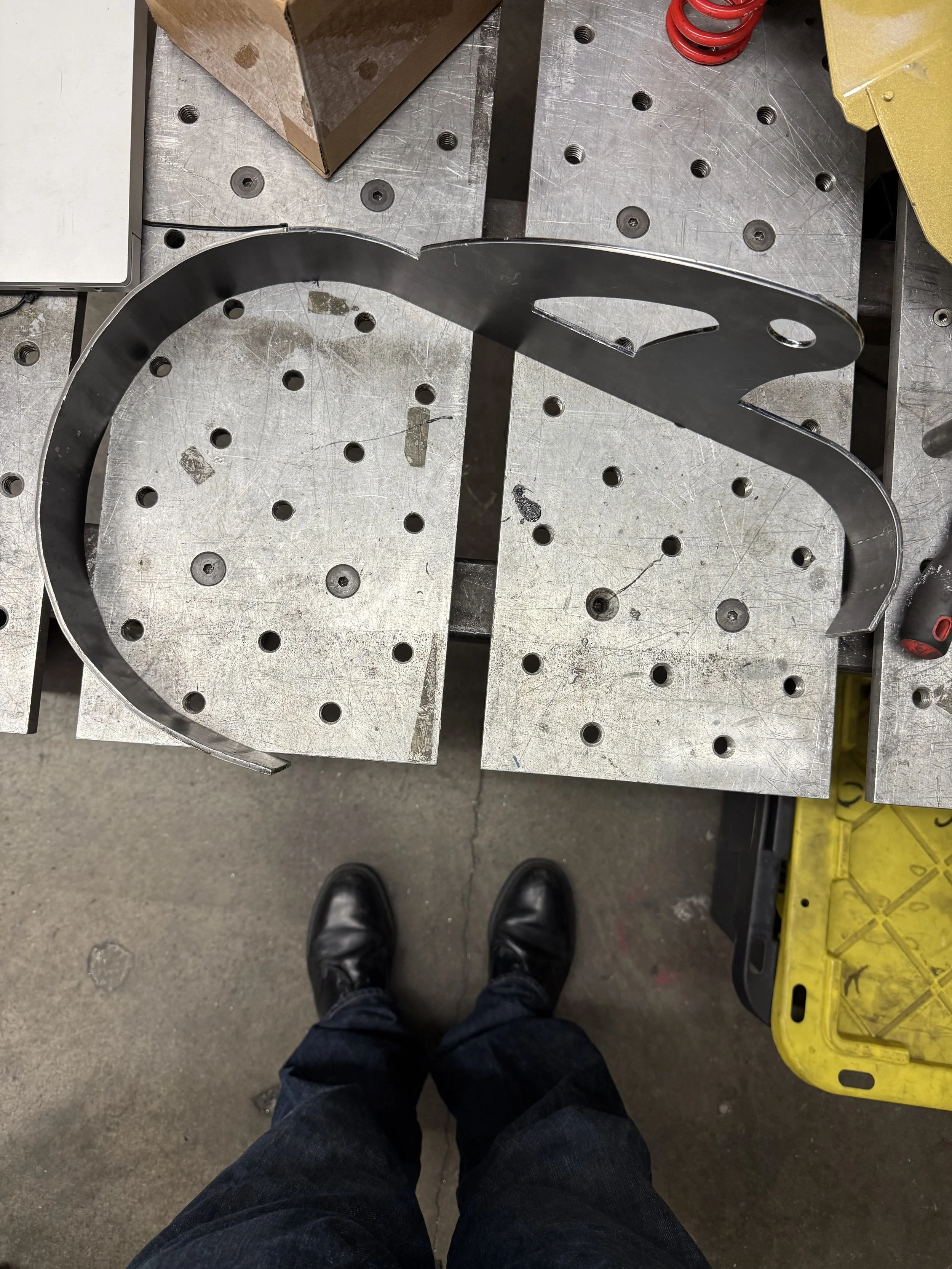
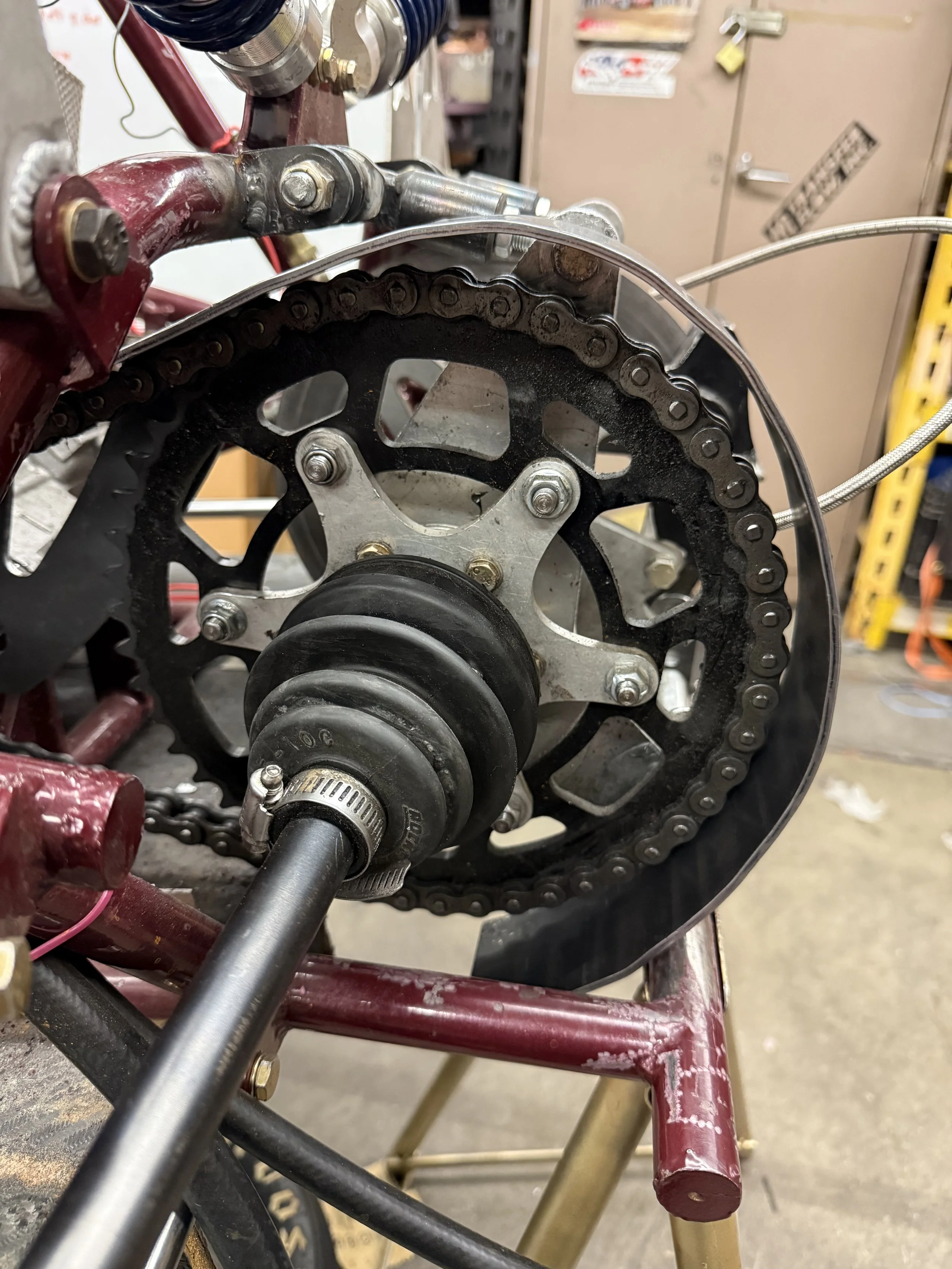
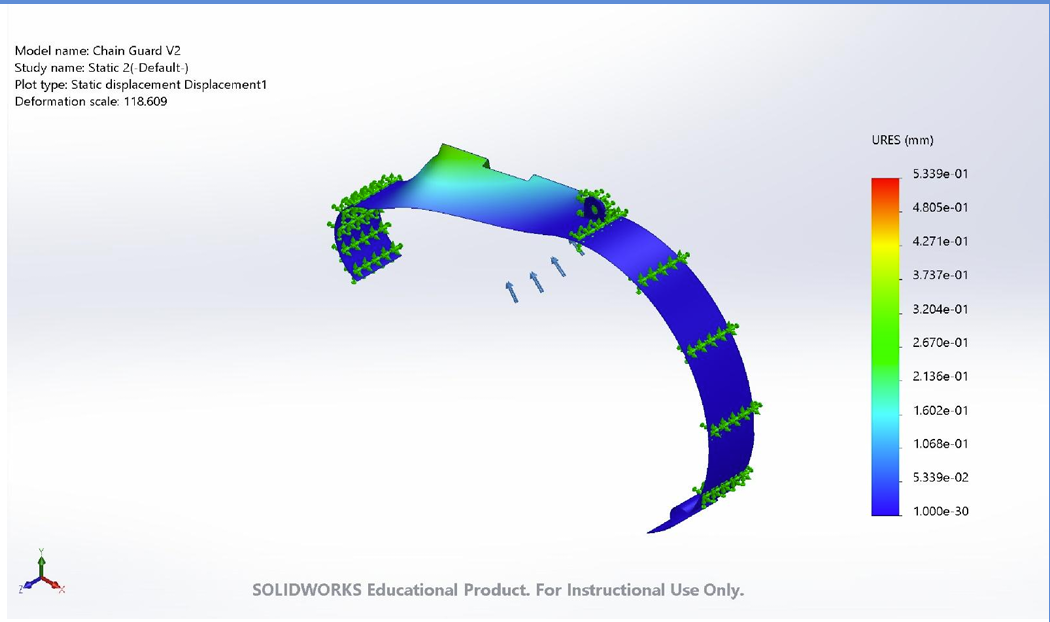
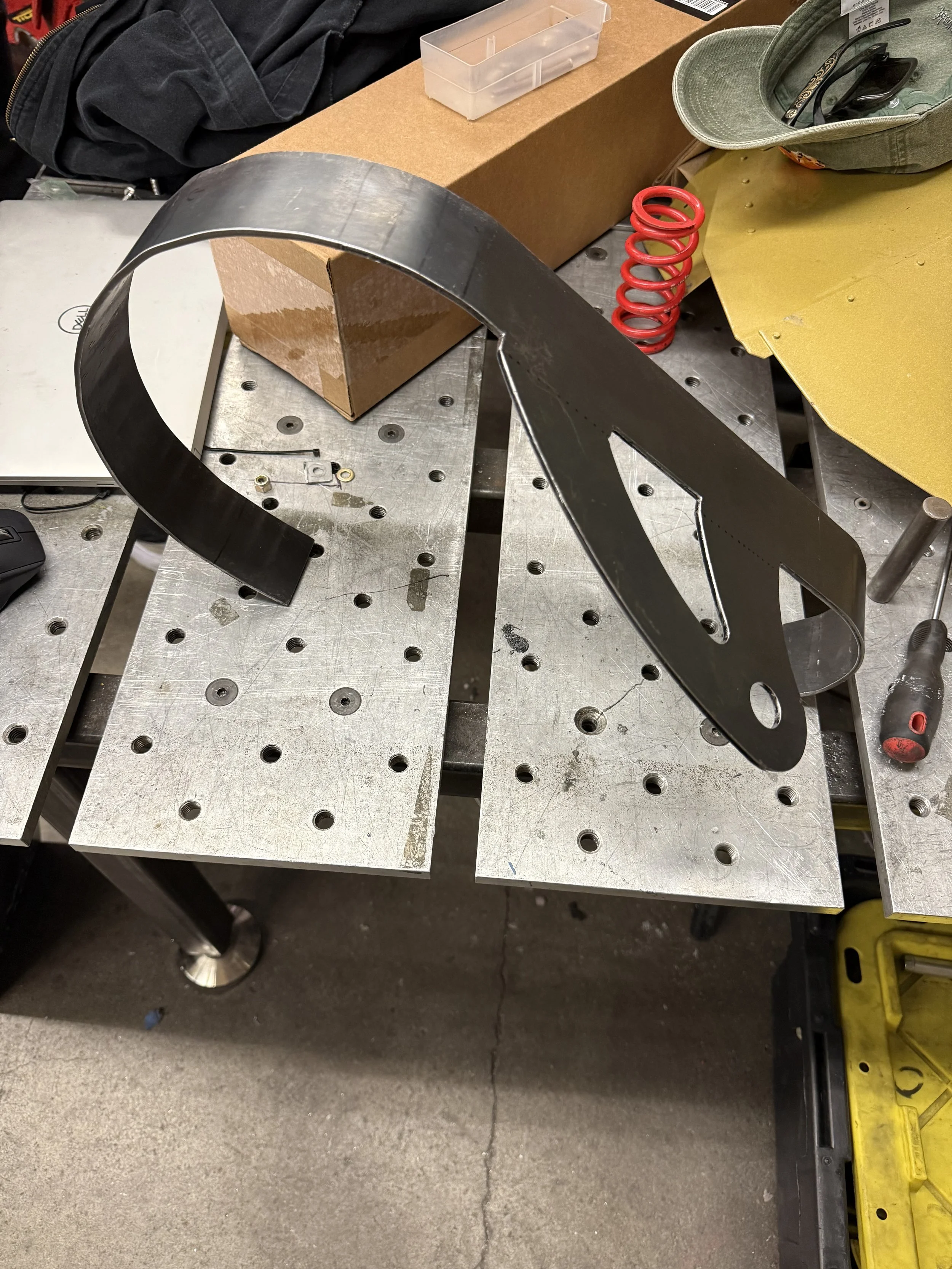
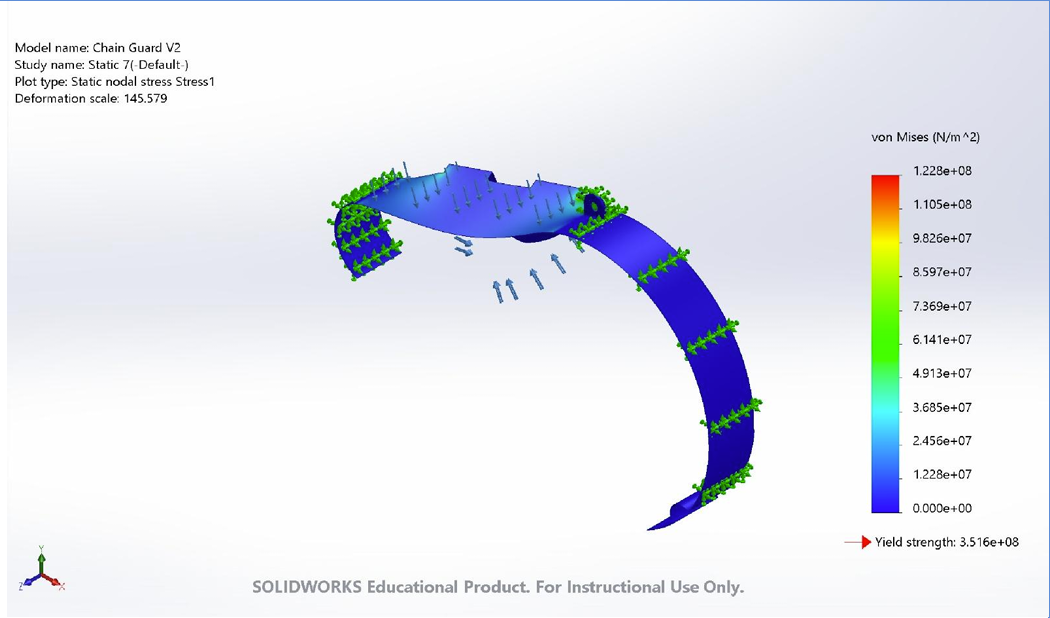
While leading the development of the new intake plenum, I was also responsible for redesigning the chain guard for our Formula SAE race car. The previous chain guard had become a recurring reliability issue, as it was unable to withstand the constant vibrations and elevated temperatures experienced during vehicle operation. Over time, fatigue caused the guard to crack and eventually fail, creating both a reliability and safety concern. And as per the FSAE rules we need a chain guard made of steel and minimum .105in think steel.
To address this issue, I designed a completely new chain guard with durability as the primary objective. Rather than using a multi-piece design, I engineered the guard as a single-piece component manufactured from 0.13-inch steel. The one-piece construction eliminated several stress concentration points while significantly increasing the overall rigidity of the assembly. The added strength of the steel construction ensures the guard can withstand the continuous vibration loads generated by the drivetrain and engine without experiencing fatigue-related failures.
Throughout the design process, I focused on balancing strength, manufacturability, and serviceability. The final design provides a robust solution capable of handling the demanding operating conditions of a Formula SAE race car while remaining straightforward to fabricate and install. By eliminating the weaknesses of the previous design, the new chain guard improves drivetrain reliability and contributes to the overall safety of the vehicle during testing and competition. This was achieved by doing many Finite element analysis (FEA) to ensure the part strong enough to meet out needs.
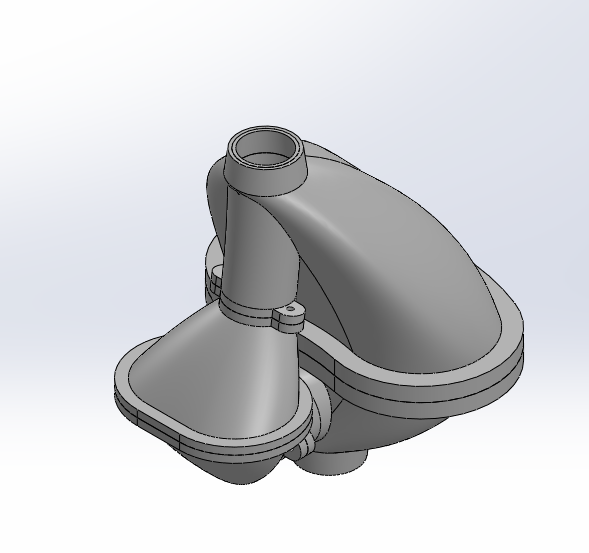
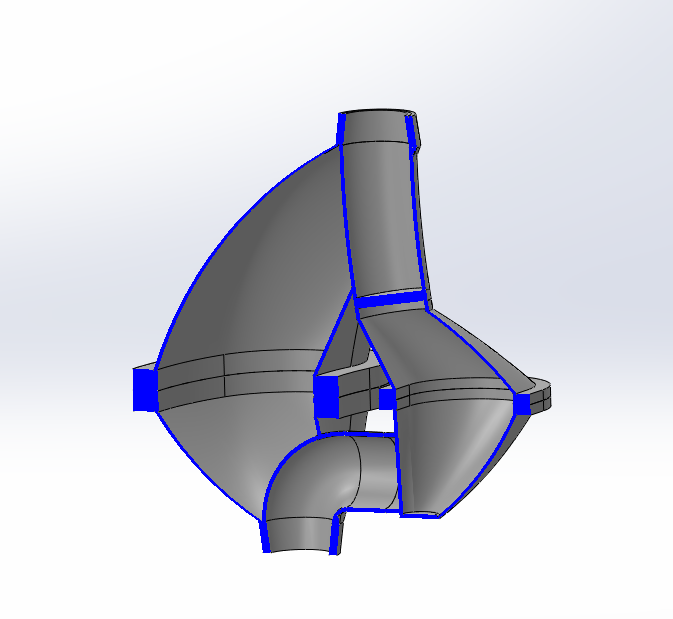
Looking ahead to the 2026–2027 Formula SAE season, I am leading the development of one of the most ambitious powertrain projects our team has undertaken: a variable intake plenum designed to optimize engine performance across the entire RPM range.
Traditional intake plenums are designed as a compromise, with their geometry favoring either low-end torque or high-RPM horsepower. My objective is to eliminate this compromise by developing a plenum capable of dynamically changing its airflow path based on engine operating conditions.
The design incorporates an electronically controlled valve system integrated with the engine's ECU (Engine Control Unit). At lower engine speeds, the valve remains closed, directing incoming air through a smaller intake channel. This configuration increases air velocity, improving cylinder filling and helping produce greater torque and throttle response at low RPM. As engine speed increases, the ECU will command the valve to open, allowing airflow through a much larger intake passage. The increased cross-sectional area reduces airflow restriction, enabling the engine to ingest a greater volume of air during each intake cycle and supporting increased horsepower at higher RPM.
Developing this system requires the integration of CAD design, ECU calibration, mechanical actuation, and intake flow optimization into a single package. Alongside the mechanical design of the plenum. The goal of this project is to broaden the engine's powerband by improving volumetric efficiency across a wider range of operating conditions. Rather than optimizing performance for only one section of the RPM range, the variable plenum is intended to increase both low-end torque and high-RPM power, providing a more responsive and competitive powertrain throughout the entire operating range.
This project represents the next evolution of our team's additive manufacturing capabilities and engine development program. Building upon the success of our previous 3D-printed plenum, the new variable intake system pushes the boundaries of what can be achieved through innovative design, advanced manufacturing, and intelligent engine control. If successful, it will become one of the most technically advanced powertrain components ever developed by the Chico State Formula SAE team and serve as a foundation for future engine development.
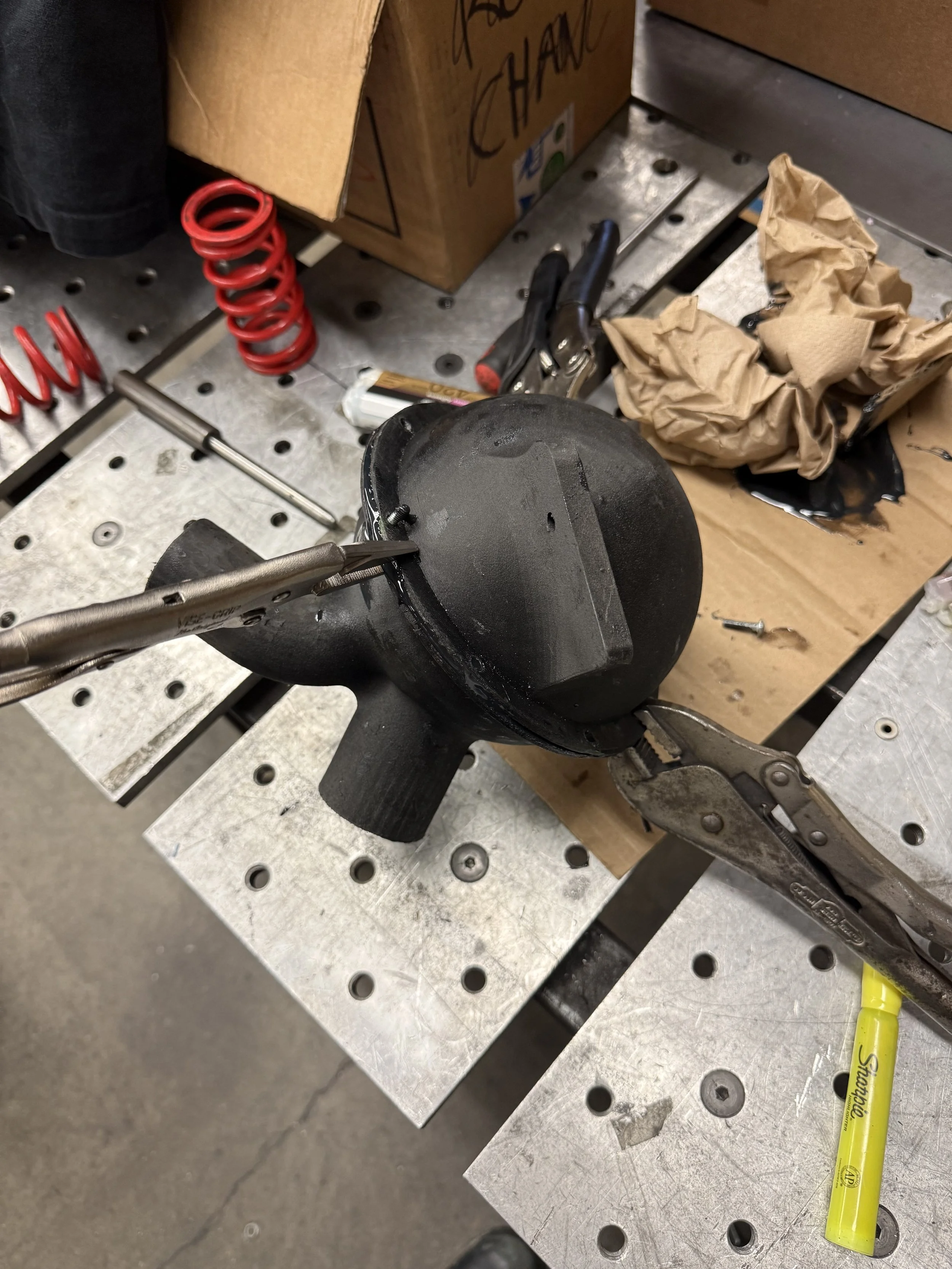
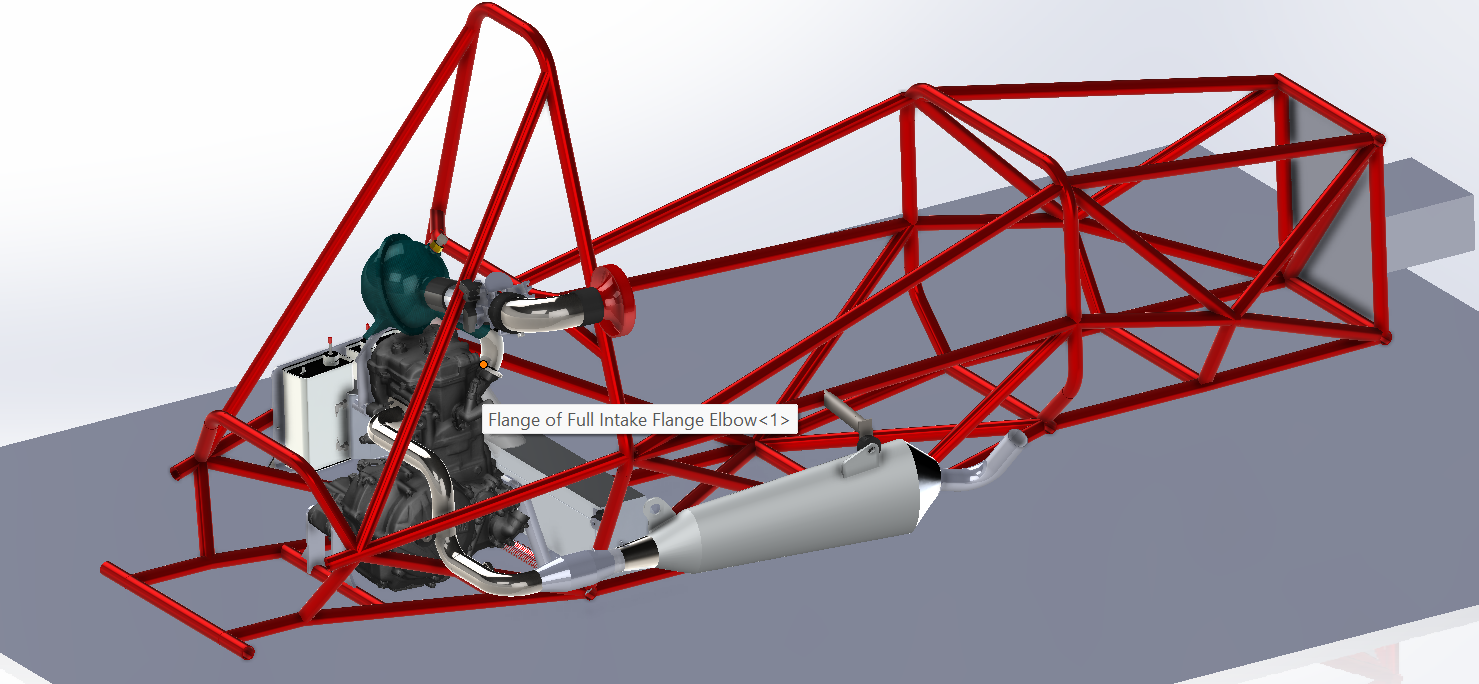
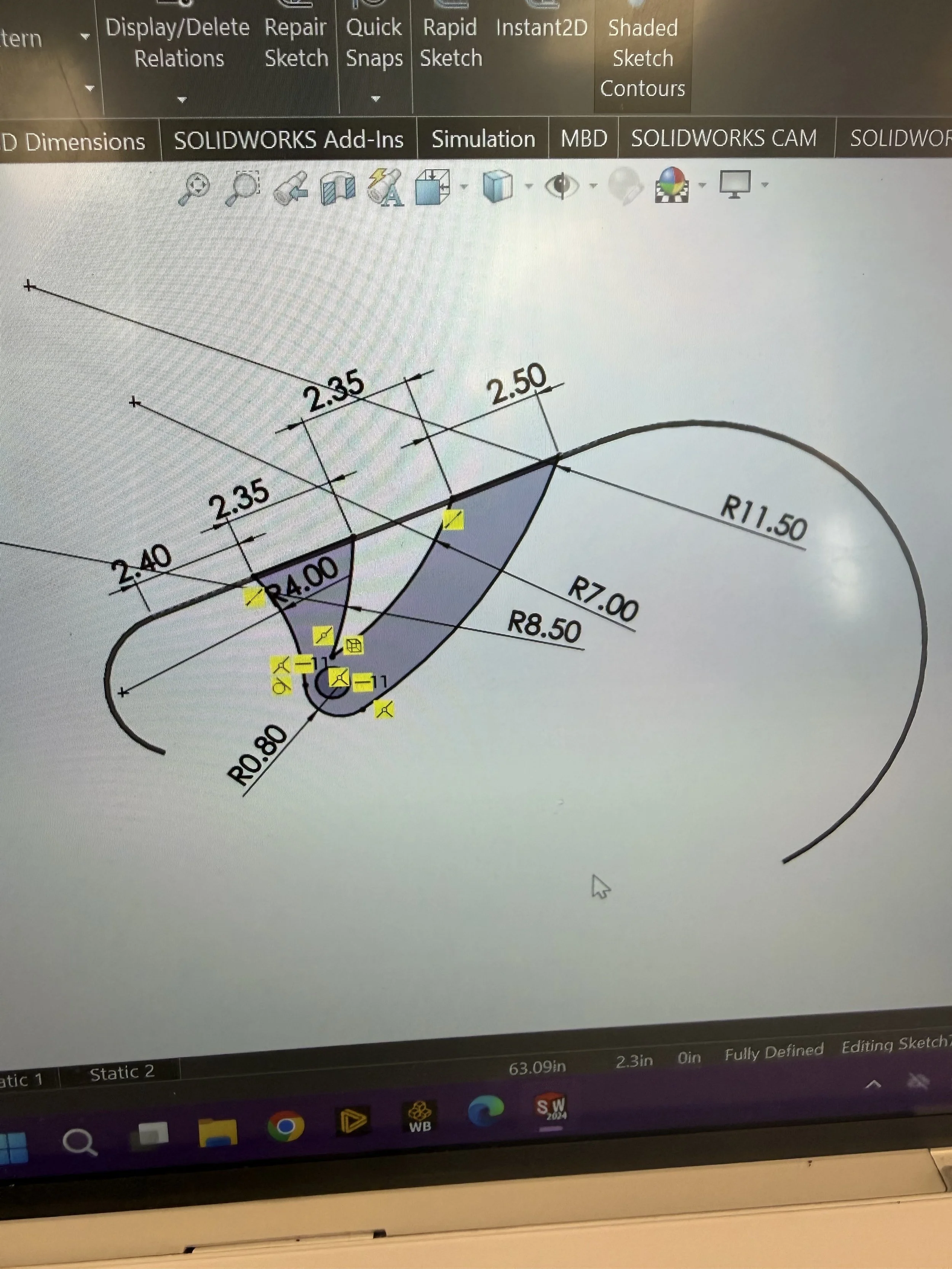
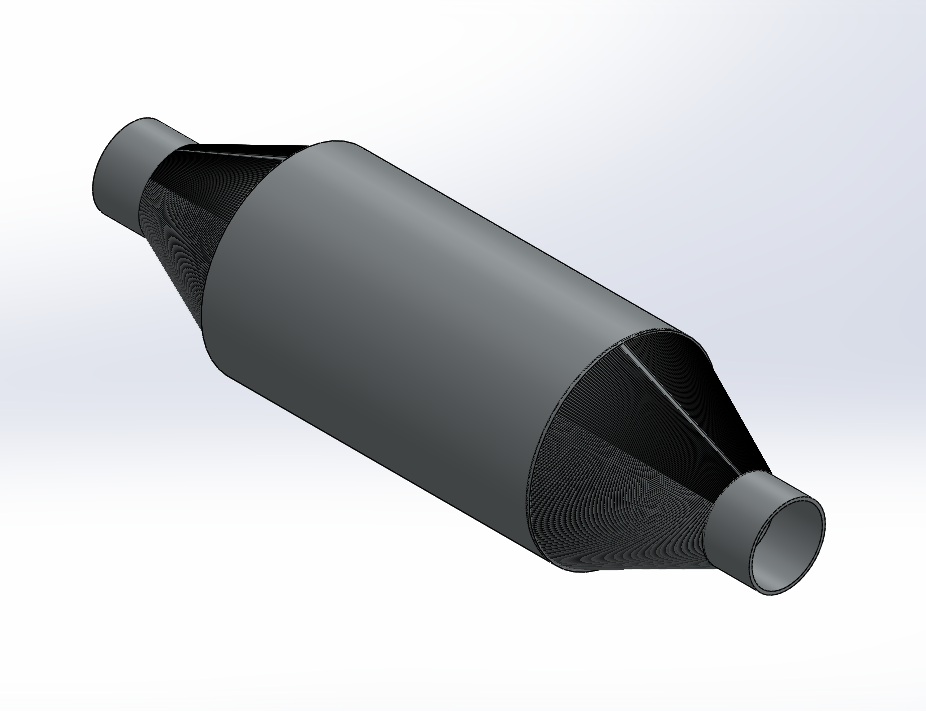
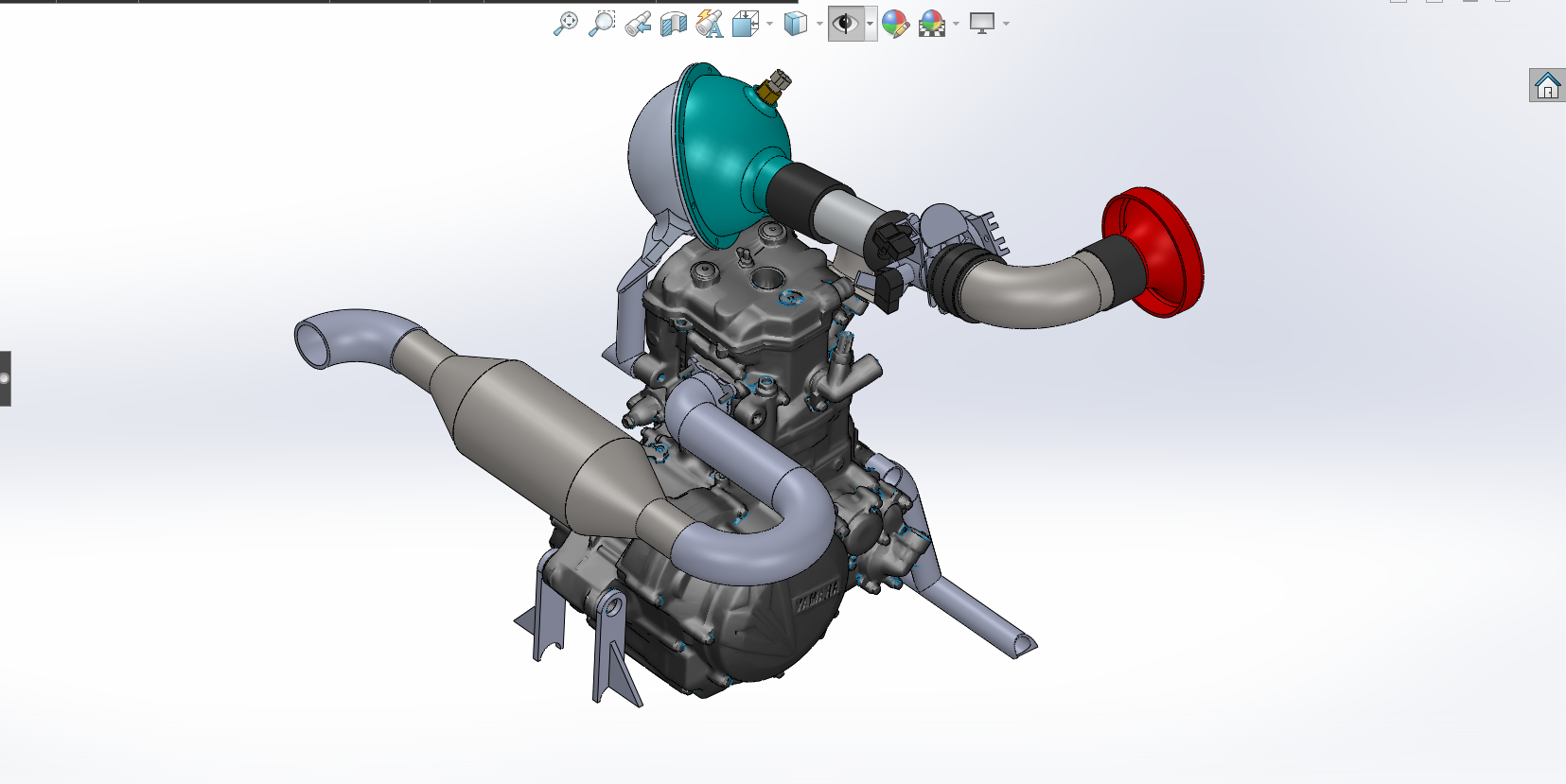
For the 2026–2027 Formula SAE season, I am leading the redesign of both the exhaust system and muffler with the objective of improving engine performance while meeting Formula SAE sound regulations. This project focuses on maximizing exhaust flow efficiency, minimizing unnecessary back pressure, and reducing overall vehicle noise without compromising engine output.
The new exhaust header features a shorter primary runner length than our previous design. The objective of this configuration is to minimize the potential for excessive back pressure, allowing exhaust gases to evacuate the cylinder more efficiently. Improving exhaust scavenging can enhance volumetric efficiency, helping the engine breathe more effectively throughout the RPM range while supporting increased performance.
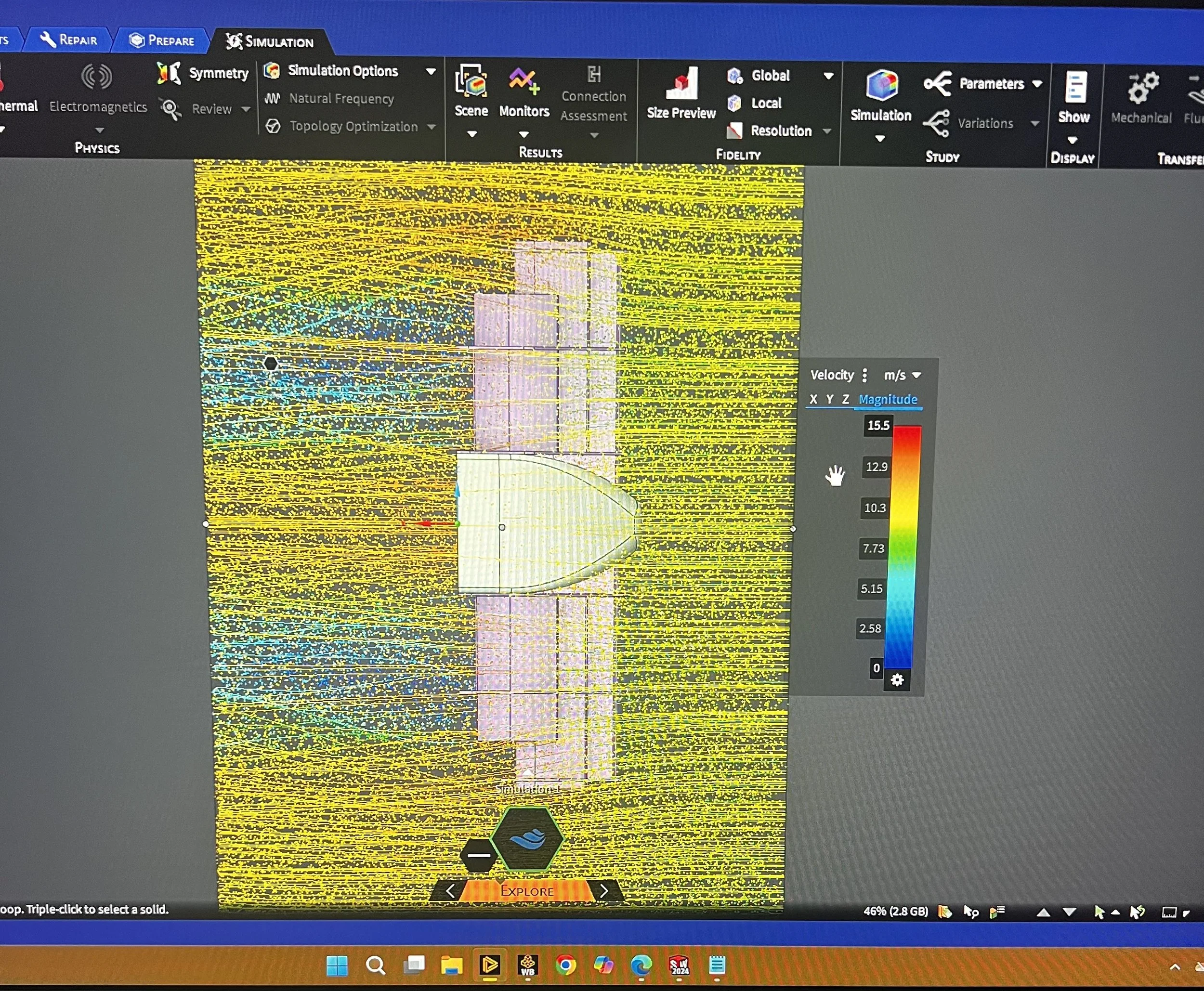
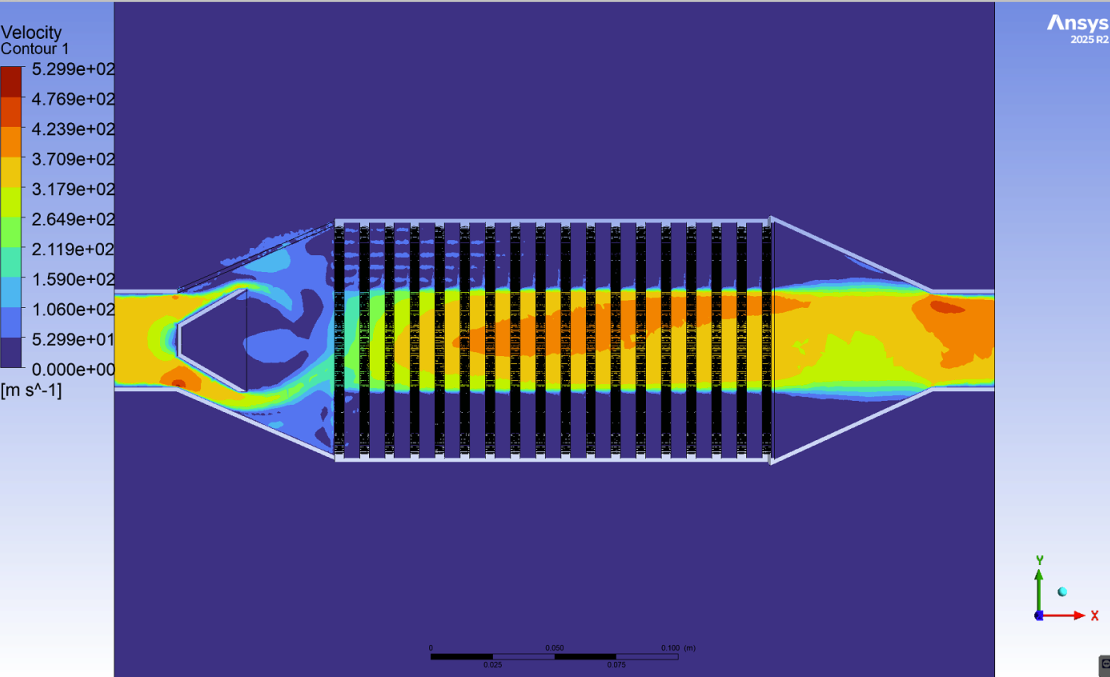
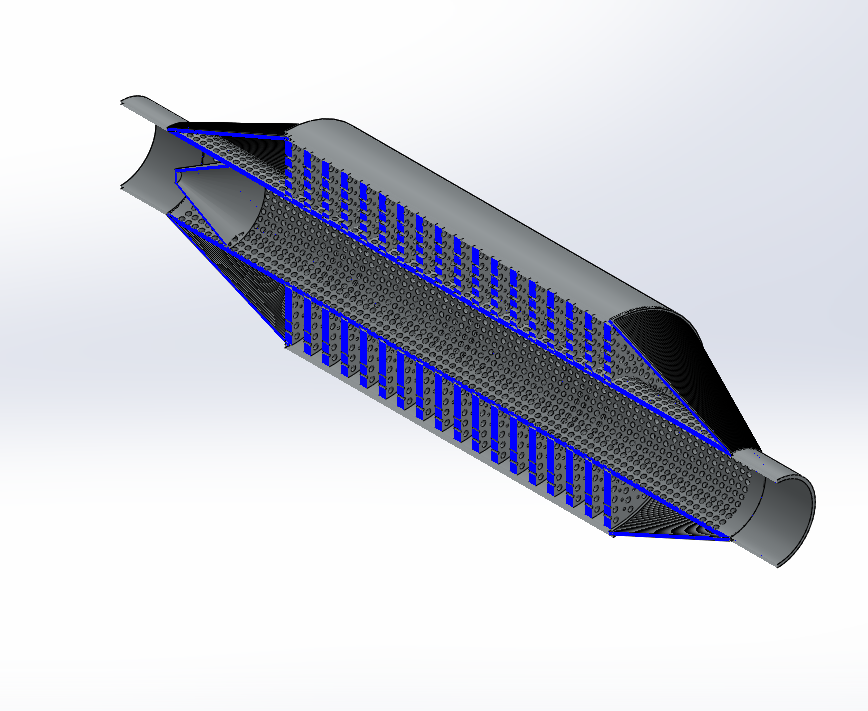
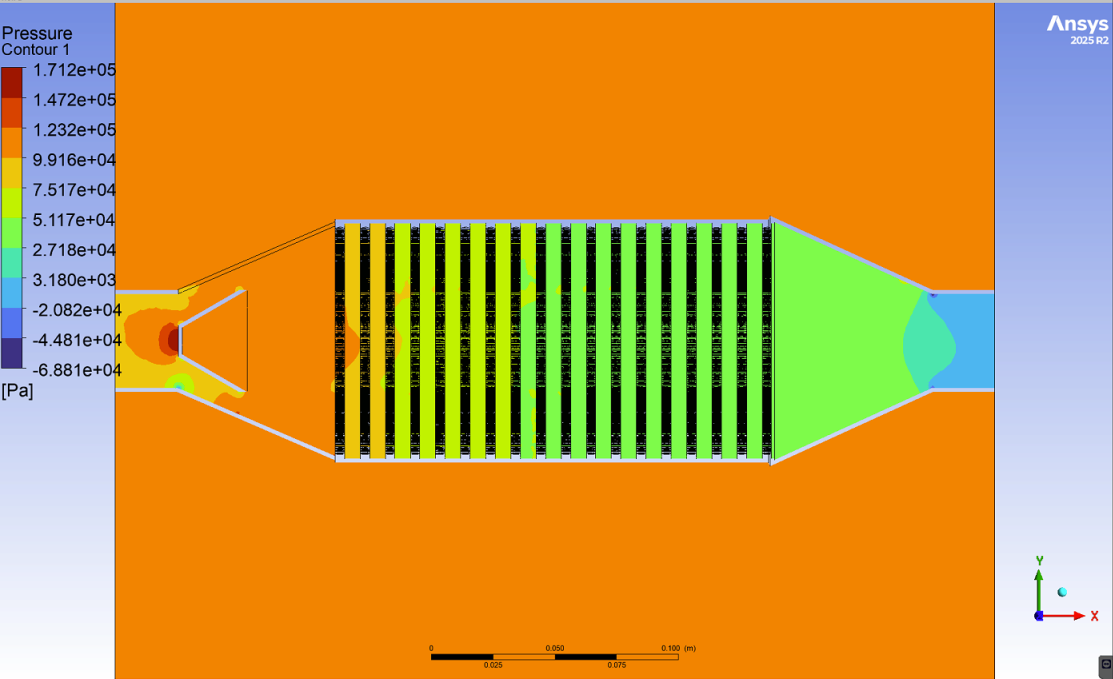
Alongside the exhaust redesign, I am developing an entirely new muffler concept that combines features from several existing muffler technologies into a single design. Rather than relying on traditional fiberglass or ceramic exhaust packing, the design uses a series of carefully positioned internal disks that disrupt and redirect the exhaust flow. These flow disturbances are intended to dissipate acoustic energy and reduce sound levels while maintaining a relatively unrestricted flow path. This will be done by doing AirFlow simulation using Computational Fluid Dynamics (CFD) to see how the air will react when going through the muffler.
This project reflects my interest in designing innovative powertrain systems that challenge conventional solutions. By rethinking both the exhaust and muffler as an integrated system, I aim to develop a lightweight, high-performance solution that improves reliability, reduces maintenance, and delivers strong performance across the engine's operating range for the 2026–2027 Formula SAE vehicle.
Michigan International SpeedWay Formula SAE Competition
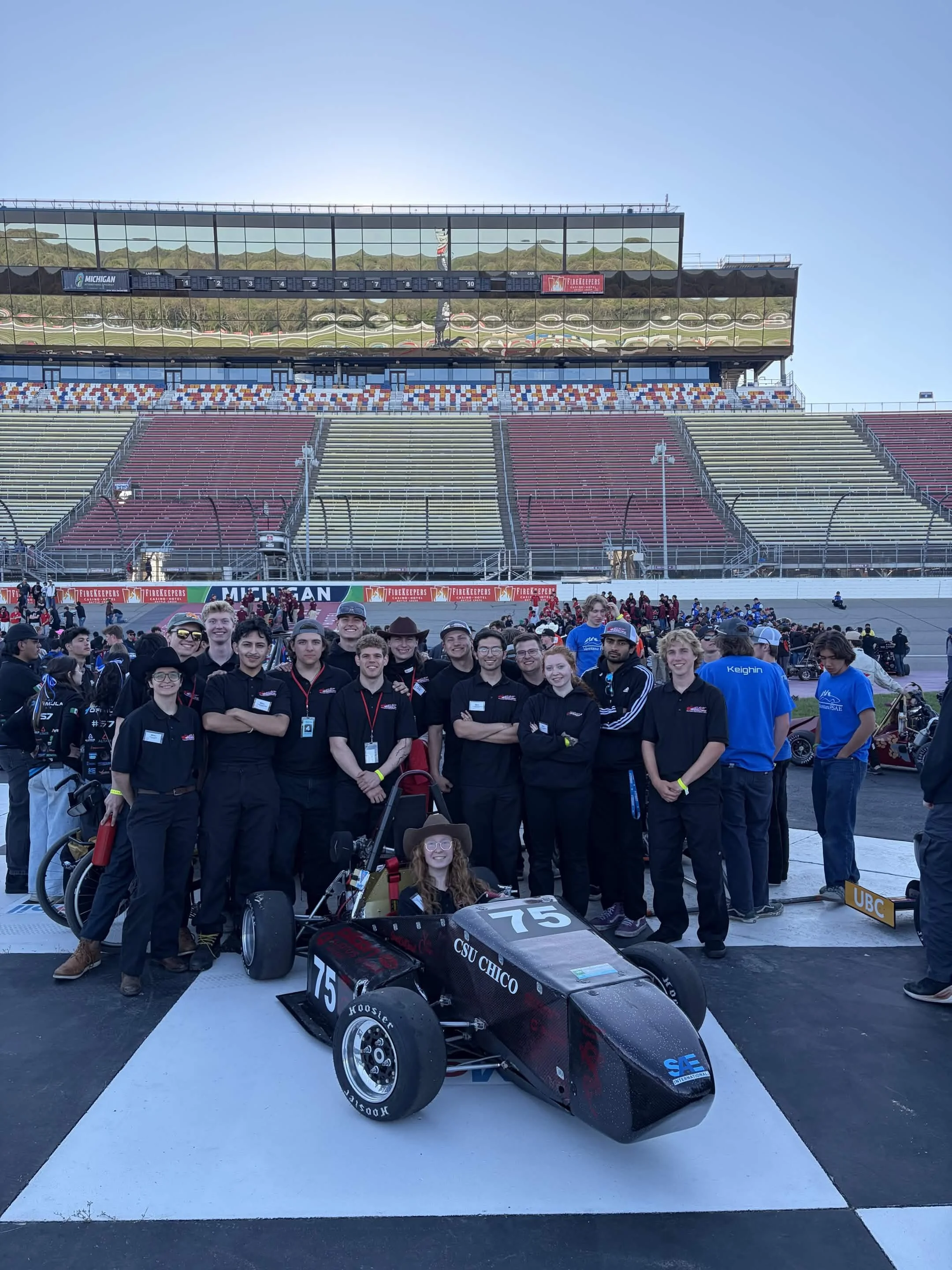
One of the most rewarding experiences of my engineering journey was representing California State University, Chico at the Formula SAE Michigan Competition, held at the Michigan International Speedway. Competing against more than 100 universities from around the world, our team had the opportunity to showcase the race car we had spent the entire year designing, manufacturing, testing, and refining.
The competition challenged us to present every major engineering decision behind our vehicle to a panel of experienced industry judges. During the design events, we explained the engineering process behind our components, discussing how we identified problems, developed solutions, evaluated design trade-offs, and ultimately arrived at our final designs. As Powertrain Lead, this provided me with the opportunity to present the work on the powertrain system and demonstrate the engineering principles that guided our design decisions.
Beyond the competition itself, Formula SAE Michigan was an invaluable learning experience. Receiving detailed feedback from professional engineers gave our team a much clearer understanding of where we excelled and where we still have opportunities to improve. One of the biggest lessons I took away from the event was the importance of validation, testing, and thorough engineering documentation. While a well-designed component is essential, being able to support every design decision with simulation results, physical testing, experimental data, and clear documentation is equally important in a professional engineering environment.
The experience also exposed me to innovative engineering solutions developed by universities from across the globe. Seeing the different approaches taken by other teams challenged many of my own design assumptions and inspired new ideas that I have since incorporated into future powertrain projects. Competing alongside some of the best Formula SAE teams in the world reinforced my passion for motorsports engineering and motivated me to continue improving both as an engineer and as a leader.